In a significant move to strengthen economic ties between Asia and Africa, China has expanded its preferential duty-free treatment to cover imports from 53 African countries. Effective as of May 1, 2026, this initiative marks a strategic step toward deepening trade cooperation and fostering sustainable development across the African continent.
The expansion of zero-tariff treatment is designed to lower trade barriers, making African exports more competitive in the Chinese market. By reducing costs for African producers, the move is expected to catalyze a surge in two-way trade, allowing a wider variety of goods and services to flow between the two regions.
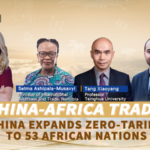
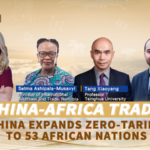
Industry experts and political leaders have highlighted the potential ripple effects of this policy. Namibian Minister of International Relations and Trade Selma Ashipala-Musavyi, alongside Tsinghua University Professor Tang Xiaoyang and political analyst Adriel Kasonta, have noted that such measures do more than just increase volume; they strengthen Africa's overall competitiveness in the global trade landscape.
Beyond bilateral gains, the policy is seen as a catalyst for greater integration within the African continent. By incentivizing production and diversifying export destinations, African nations are better positioned to integrate their own internal markets and build more resilient economic structures.
For global investors and business professionals, this shift signals a strengthening of the South-South cooperation framework, offering new opportunities for growth and investment in emerging African sectors. As the implementation progresses, the focus remains on creating a mutually beneficial partnership that leverages the strengths of both the Chinese mainland and the diverse economies of Africa.
Reference(s):
cgtn.com