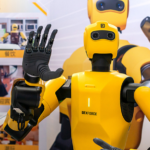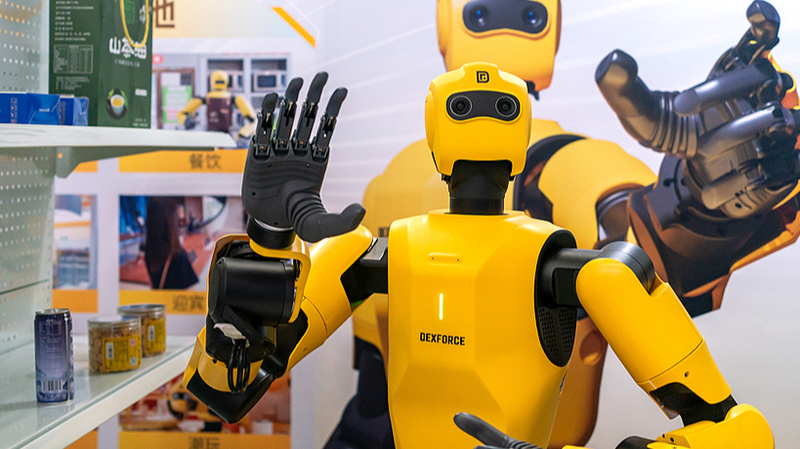
The future of robotics is no longer a distant vision but a present reality in the Chinese mainland, where the boundaries between academic research and industrial application are rapidly blurring. This synergy was on full display during the second edition of the Beijing E-Town Humanoid Robot Half Marathon held on April 19, 2026.
The event captured global attention when "Lightning," a humanoid robot developed by Honor, claimed the championship. Completing the course in 50 minutes and 26 seconds, Lightning achieved the extraordinary feat of breaking the human world record for the half-marathon. However, the race was not solely a showcase for corporate prowess; academic institutions played a pivotal role, with the Beijing Institute of Technology and Shandong University winning the "Best Gait" awards.
The event highlighted a significant shift in how innovation is cultivated. Twenty universities participated through direct registration, many forming joint laboratories with enterprises and attending specialized training camps. This represents a tenfold increase in university participation compared to the inaugural edition, underscoring a deepening integration of industry, academia, and research.
Driving Global Market Expansion
This internal fusion of talent and technology is translating into substantial economic growth on the global stage. Recent data reveals that China's robotics industry is experiencing a period of rapid international expansion. In the first quarter of 2026, exports of industrial robots reached 3.16 billion yuan ($463.94 million), marking a surge of 42% year on year.
The overall scale of the industry is even more impressive, with exports of all robot types totaling 11.32 billion yuan, reaching 148 countries and regions worldwide. A standout performer in this growth has been the cleaning robot segment. As a newly added tariff code category this year, cleaning robots saw export values hit 7.75 billion yuan in the first quarter alone, accounting for 68.5% of the total robot exports from the Chinese mainland.
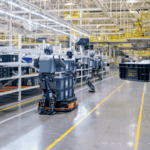
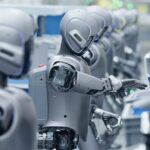
These developments suggest that China's concerted push to integrate education, science, technology, and talent is creating a sustainable ecosystem. By bridging the gap between the classroom and the factory floor, the region is not only breaking records in humanoid performance but is also cementing its role as a primary driver of the global robotics industry.
Reference(s):
cgtn.com