As trade tensions escalate between the United States and Europe, prominent European figures are calling for a resolute and unified stance against what they view as arbitrary economic pressure. The latest flashpoint emerged late last week when former U.S. President Donald Trump announced via social media that import tariffs on European Union-made automobiles would rise to 25%, effective in early May 2026.
Bernd Lange, the chair of the European Parliament's influential international trade committee, swiftly denounced the move. In a statement issued on Saturday, May 2, he labeled the tariff threats as "unacceptable" and a demonstration of disrespect for EU sovereignty. Lange firmly rejected Washington's claims that the EU had failed to comply with bilateral trade commitments, describing them as unfounded.
"Clear rules remain the only effective response to arbitrary pressure," Lange stated, urging the activation of the EU's anti-coercion instruments to counter what he characterized as economic blackmail. His comments highlight a growing consensus in European capitals that a passive approach is no longer tenable.
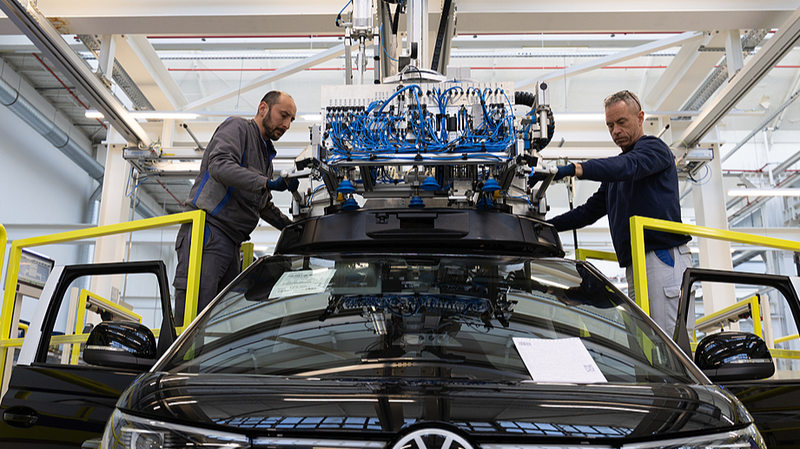
The proposed tariff hike has sent shockwaves through Germany's economic and political circles. As the bloc's largest economy and the primary exporter of automobiles to the U.S., Germany stands to bear the brunt of the impact. Ferdinand Dudenhoffer, founder of Germany's Center for Automotive Research, pointed out that the burden would be "concentrated more heavily on German companies" due to their significant market share.
Moritz Schularick, President of the Kiel Institute for the World Economy, quantified the potential damage, estimating the policy could slash Germany's real economic output by approximately 0.3%. This would be a significant blow to an economy already grappling with sluggish growth.
The reaction from economists suggests they view the tariff announcement as more than just an economic measure. Marcel Fratzscher, president of the German Institute for Economic Research, framed it as a political pressure tactic. "Europe must adopt a tougher position and can no longer yield to pressure," he warned, arguing that a weak response would only increase costs for European businesses, especially exporters.
The situation presents a critical test for EU unity and its trade defense strategy. With the new tariffs slated to take effect imminently, the coming days will reveal whether the bloc can mount the firm, coordinated response its leading economists and lawmakers are demanding.
Reference(s):
European economists call for firm response to new US auto tariffs
cgtn.com