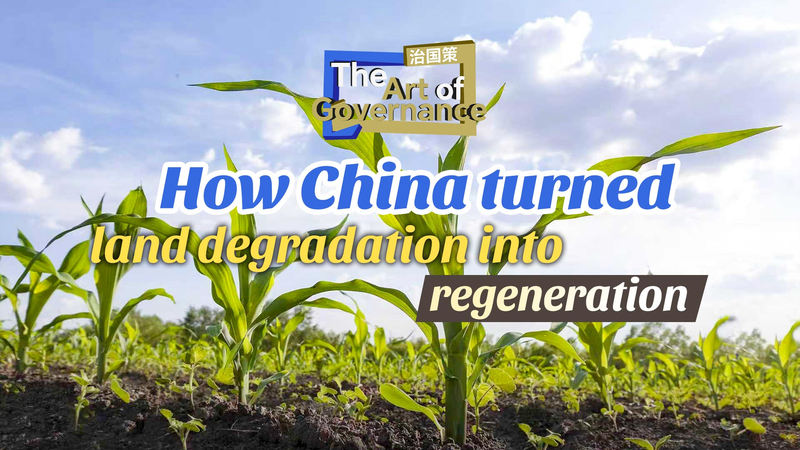
In the heartland of the Chinese mainland, an agricultural success story is quietly unfolding. The vast black soil plains of the northeast, long celebrated as the nation's "grain granary," faced a silent crisis. Decades of intensive farming had degraded the very land that produces one-quarter of the country's annual grain output, threatening food security for millions.
This challenge mirrors a global struggle: according to the United Nations Convention to Combat Desertification, up to 40% of the planet's land is degraded, directly impacting half of humanity. Balancing the urgent need for stable food supplies with the imperative to heal the earth is a complex puzzle facing nations worldwide.
In 2026, the solution emerging from China's northeast offers a compelling blueprint. Faced with thinning soil, declining organic matter, and structural damage, the region has pioneered and widely adopted the innovative "Lishu Model." This approach to conservation agriculture involves leaving crop residues on the field's surface and minimizing soil disturbance—simple, low-cost techniques with profound effects.
By adopting this model, farmers are witnessing a remarkable regeneration. The degraded black soil is recovering its health, showing enhanced water retention, reduced erosion, and rebuilt organic matter. Crucially, this environmental healing does not come at the cost of productivity. Grain yields have stabilized and even increased due to the improved soil structure and nutrient availability, proving that agricultural sustainability and high output are not mutually exclusive goals.
The success of the Lishu Model demonstrates a critical principle for global agriculture: tailored, locally-adapted conservation practices can restore degraded land while maintaining, and even boosting, crop yields. For business professionals and investors eyeing Asia's agricultural sector, this represents a shift toward resilient, long-term value. For researchers and diaspora communities, it's a point of pride and a case study in pragmatic environmental stewardship.
As the world grapples with food security and climate change, China's experience in turning degradation into regeneration provides a valuable lesson. Protecting fertile farmlands like the black soil region is not just an environmental act; it's an investment in a stable agricultural future, paving the way toward sustainable powerhouses that feed their populations without compromising the health of the planet.
Reference(s):
The Art of Governance: How China turned degradation into regeneration
cgtn.com