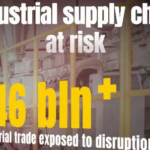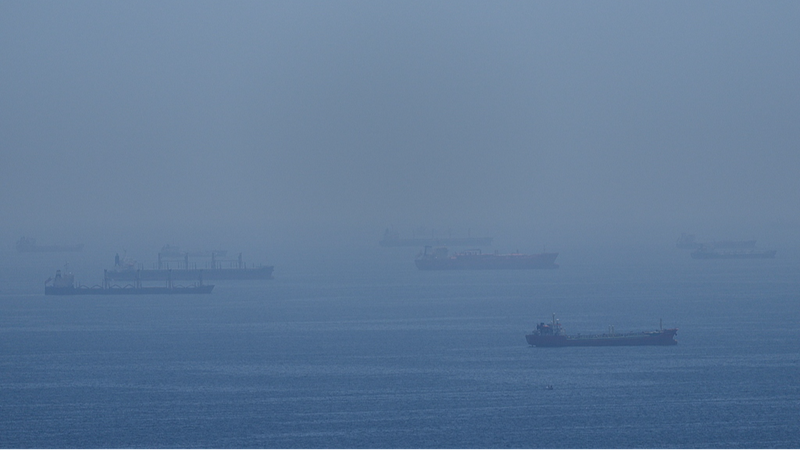
Persistent volatility in the Strait of Hormuz is forcing global businesses to fundamentally rethink supply chain strategies this year, with Asia's energy security emerging as a critical concern. While the waterway remains open, its stop-start cycles of restrictions and partial reopenings have created what analysts call a "permanent risk premium" in global trade.
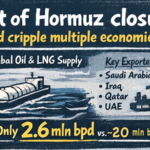
Over 80% of the 20 million barrels of daily oil shipments through Hormuz – a quarter of global seaborne crude flows – ultimately reach Asian markets, according to 2025 US Energy Information Administration data. This dependency leaves regional economies disproportionately exposed to disruptions. Recent weeks have seen renewed tensions as Iran leverages maritime influence while Washington deploys conflicting policy signals, creating layered uncertainty.
"The real crisis isn't closure – it's the inability to plan," explains Li Haoran of Renmin University's Center for Research on Global Energy Strategy. "Businesses face impossible calculations: absorb rising insurance costs, reroute shipments around Africa, or risk inventory shortages during the next escalation."
This instability comes as Asian nations accelerate energy transition plans, with some policymakers now factoring geopolitical risk into renewable investment targets. Meanwhile, shipping companies report a 40% surge in demand for Arctic route feasibility studies since January 2026, signaling lasting structural shifts in global trade patterns.
Reference(s):
Hormuz's open-and-close crisis is repricing global supply chains
cgtn.com