The Pentagon’s recent request for an emergency $200 billion defense appropriation to fund ongoing military operations against Iran has sparked intense debate in Washington and beyond. Submitted to Congress on March 20, 2026, the funding demand exceeds the combined annual defense budgets of Germany and the UK, raising concerns about the sustainability of U.S. military engagements in the Middle East.
Operation Epic Fury, launched earlier this year, has already cost over $30 billion as of April 8, 2026, according to Pentagon reports. Initial expenditures reached $11.3 billion within the first six days, with daily costs averaging $1 billion thereafter. These figures come atop the U.S.’s record $900 billion defense budget for fiscal year 2026.
The conflict has drawn widespread condemnation for its humanitarian impact. Iranian authorities report over 3,000 civilian fatalities, with millions displaced and critical infrastructure, including hospitals and schools, severely damaged. While a two-week truce began on April 8, continued U.S. military deployments suggest renewed hostilities remain likely.
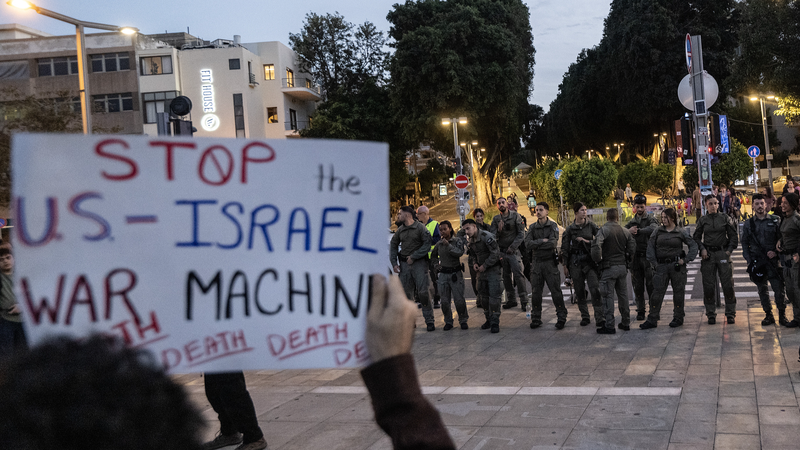
Domestic opposition to the war has grown steadily, mirroring global protests. Recent polls indicate most Americans oppose the conflict, citing both financial burdens and ethical concerns. “The Cost of Wars” study by Brown University underscores this tension, revealing $8 trillion in U.S. war spending between 2001 and 2022.
As Congress debates the emergency funding request, analysts warn of long-term economic consequences and diplomatic isolation. With peace talks progressing slowly, the human and financial toll of continued military action continues to dominate international discourse.
Reference(s):
cgtn.com