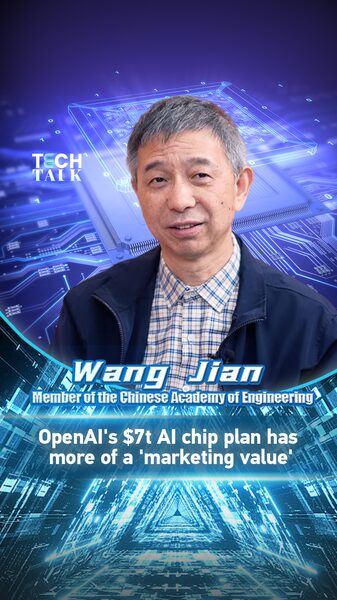
Alibaba Cloud founder and cloud computing expert Wang Jian has expressed skepticism over OpenAI CEO Sam Altman’s ambitious plan to secure trillions of dollars in investment for the global semiconductor industry.
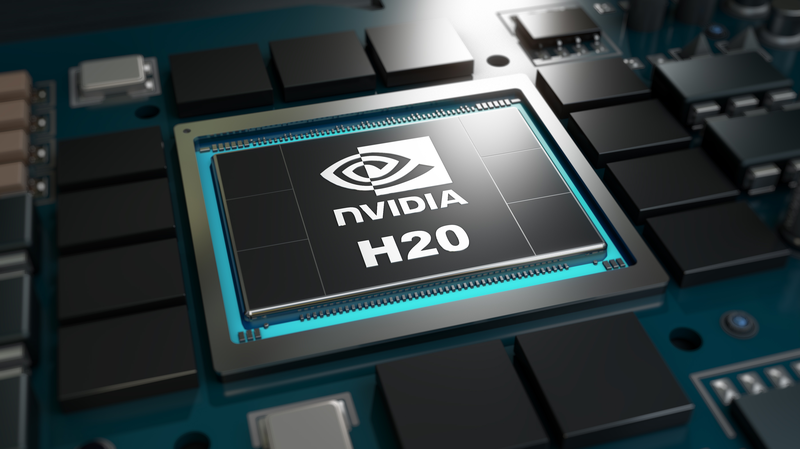
According to a recent report by The Wall Street Journal, Altman is seeking massive investments to boost the production and development of AI chips. However, Wang suggests that the initiative may hold more “marketing value” than practical substance.
“The key issue is not how much money is invested, but how it will be utilized,” Wang, a member of the Chinese Academy of Engineering, stated in a recent interview with CGTN’s Zhao Chenchen. “Is there something fundamental that’s going to be changed, even the whole industry?”
Wang emphasized the importance of strategic application of funds in driving real innovation and progress in the semiconductor sector. He cautioned that without clear direction, substantial investments might not lead to transformative change.
The semiconductor industry is pivotal to the advancement of artificial intelligence, with AI applications demanding increasingly powerful and efficient chips. While large investments can accelerate development, experts like Wang underscore the need for thoughtful deployment of resources to foster genuine advancements in AI and semiconductor technologies.
Reference(s):
Wang Jian: OpenAI's $7t AI chip plan has more of a 'marketing value'
cgtn.com