In a sharp diplomatic exchange, Chinese officials have accused forces in Japan of exploiting fears over Beijing's activities to mask a more concerning ambition: the accelerated remilitarization of Japan.
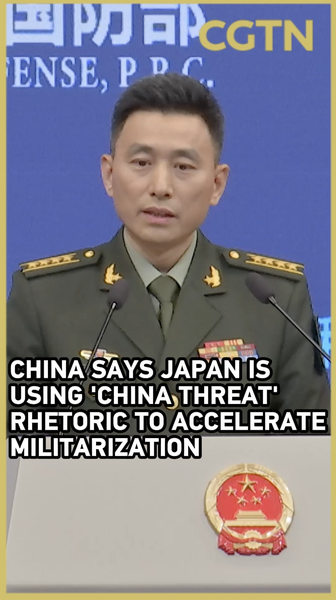
The statement from the Chinese Defense Ministry, delivered by spokesperson Zhang Xiaogang on Thursday, came in direct response to Tokyo's recently released Diplomatic Bluebook. The 2026 edition of the annual policy document, published on April 10, highlighted China's military development and specific activities near Japan, framing them as security concerns.
"Japan's right-wing forces are using so-called 'China threat' rhetoric as a cover," Zhang stated. He criticized the Bluebook for hyping incidents like alleged radar targeting of Japanese aircraft and China's partnerships with other nations, suggesting these were pretexts. "They are accelerating their push for remilitarization and covering up their underlying ambitions," he added, calling on Japan to adopt a more objective and rational view.
The Bluebook itself pointed to what it described as intensified Chinese military activities in the East China Sea, including near the disputed Diaoyu Islands, known as the Senkakus in Japan. It also raised concerns over deepening China-Russia military cooperation.
This verbal clash marks the latest friction in a complex bilateral relationship that balances deep economic ties with longstanding historical tensions and strategic rivalry. Analysts note that Japan's recent moves to significantly increase defense spending and acquire counterstrike capabilities have been framed by its government as a necessary response to a more challenging security environment, with China often cited as a primary factor.
For regional observers and the global business community invested in Asia's stability, the exchange underscores the fragile nature of geopolitical trust in Northeast Asia. It highlights how perceptions of military intent can quickly escalate into public diplomatic disputes, with potential implications for trade, investment, and broader regional security dynamics.
The Chinese statement concludes by urging Japan to learn from history, adhere to a path of peaceful development, and contribute genuinely to regional peace and stability.
Reference(s):
China: Japan is using 'China threat' rhetoric to accelerate militarization
cgtn.com