Diplomatic Impasse in the Middle East
Negotiations between the United States and Iran have reached a critical standstill, hampered by escalating violence in Lebanon and a significant financial dispute regarding frozen Iranian assets. As the regional war continues into its fourth month, the path toward a sustainable peace deal remains obscured by military friction and rigid diplomatic demands.
The Lebanon Contingency
Tehran has explicitly linked any peace agreement with Washington to the establishment of a ceasefire between Israel and Hezbollah. Iranian Foreign Minister Seyed Abbas Araghchi emphasized the interdependence of these conflicts, stating that the war will only end once peace is achieved in Lebanon. Tensions remain high following reports from the Israel Defense Forces regarding the death of Abed Harb, head of Hezbollah's engineering unit, and subsequent missile exchanges.
Araghchi further warned that any assault on Beirut would be intolerable and could potentially trigger a broader return to full-scale war, signaling Iran's commitment to its regional allies.
The $24 Billion Hurdle
Beyond the battlefield, a financial deadlock persists. A top Iranian official has indicated that the release of $24 billion in frozen assets is a non-negotiable condition for a deal. Mohsen Rezaei, military adviser to Supreme Leader Ayatollah Mojtaba Khamenei, suggested that the responsibility for breaking this stalemate lies with US President Donald Trump, warning that continued military confrontations could lead the US into a "dark corridor."
In response, President Trump characterized the Iranian leadership as "strong" and "proud," suggesting that while they may be reluctant, they will eventually be forced to make necessary concessions.
Escalating Military Friction
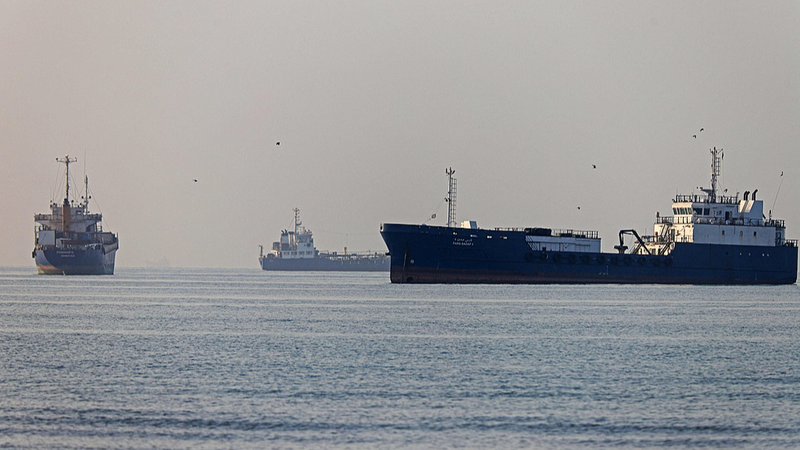
Despite an extended ceasefire from April, military skirmishes have continued to erupt, particularly around the Strait of Hormuz. Recent reports indicate that US forces shot down multiple Iranian drones in the region, while the Islamic Revolutionary Guard Corps (IRGC) claimed to have targeted tankers crossing the strait without authorization.
The situation escalated further with US retaliatory strikes on Iranian radar sites, followed by IRGC ballistic missile attacks on US bases in Kuwait and Bahrain. These developments underscore the volatile nature of the current security environment, leaving the prospects for a diplomatic resolution uncertain.
Reference(s):
US-Iran peace deal stalled over Lebanon, frozen Iranian assets
cgtn.com