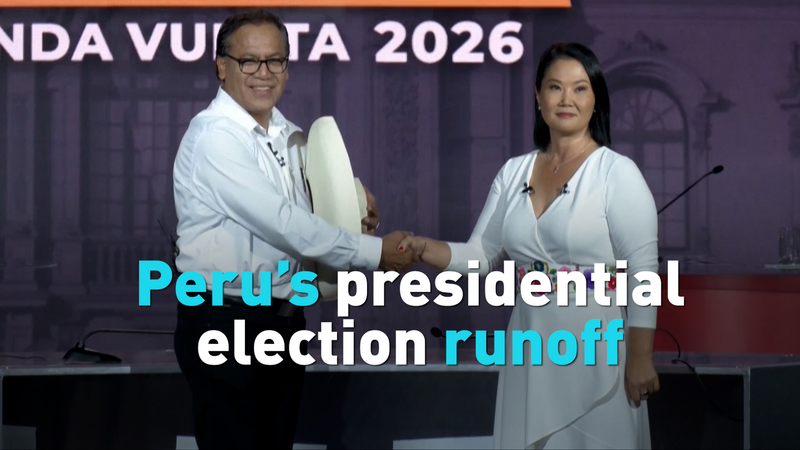
Peru stands at a critical political crossroads as citizens prepare to head to the polls tomorrow, Sunday, June 7, for a high-stakes presidential runoff. The election pits perennial right-wing candidate Keiko Fujimori against leftist congressman Roberto Sánchez, with the winner set to lead a nation grappling with deep-seated volatility.
The upcoming vote is more than just a choice between two candidates; it is a reflection of a country struggling to find a stable political footing. The winner will become Peru's ninth president in a single decade, highlighting a period of chronic instability that has seen a revolving door of leadership in Lima.
Voters are facing a complex landscape. On one hand, Peru continues to navigate rising crime rates and a fragmented political system that has tested the resilience of its institutions. On the other hand, the nation's economy remains remarkably buoyant, creating a striking contrast between macroeconomic success and domestic social unrest.
As the runoff approaches, the ideological divide is clear. Keiko Fujimori represents a right-wing approach focused on continuity and market stability, while Roberto Sánchez offers a leftist alternative aimed at systemic reform. For global investors and political analysts, the outcome will be a key indicator of whether Peru can finally transition from a state of perpetual transition to one of sustainable governance.
With the eyes of the international community on Lima, tomorrow's result will determine the direction of Peru's policy on security, social welfare, and its role in the broader Latin American economic landscape.
Reference(s):
cgtn.com