The landscape of robotics is shifting rapidly as humanoid machines evolve from simple automation to complex, dexterous assistants. At this year's International Conference on Robotics and Automation (ICRA) in Vienna, the world is witnessing a leap in how machines interact with their environment.
With approximately 9,000 researchers and industry leaders gathered in the Austrian capital, the event has become a global stage for demonstrating capabilities once thought impossible. From running marathons to the delicate task of serving food, humanoid robots are proving to be increasingly adaptable and precise.
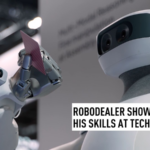
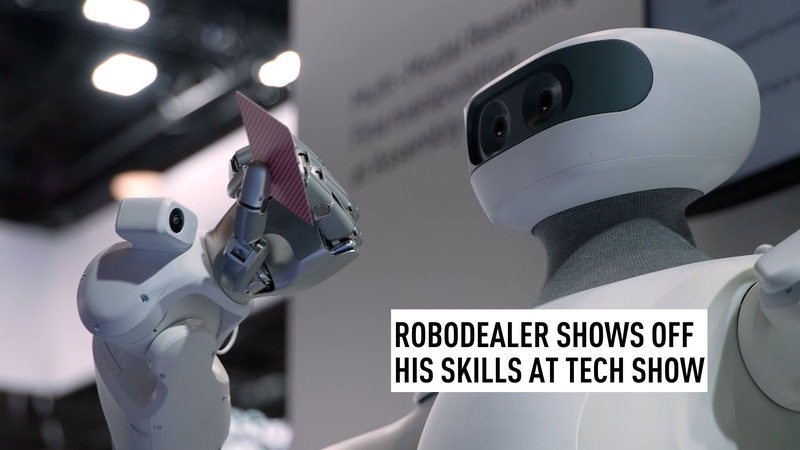
One of the most captivating exhibits is the robotic blackjack dealer developed by Sharpa. Making its European debut, this humanoid robot does not just serve cards; it adapts its movements in real time, remaining unfazed even when interrupted or teased by onlookers. The feat is more complex than it appears; the thin and flexible nature of playing cards makes them notoriously difficult for robotic grippers to handle individually.
"It's probably one of the first times that we see such a robot in Europe performing tasks that you might find easy but it's actually pretty difficult for a robot," noted Alicia Veneziani, President of Sharpa Europe. She highlighted the specific challenge of grasping a single card from a deck without disturbing the others.
Sharpa's success is bolstered by strategic collaborations with tech giants Nvidia and Unitree, signaling a growing trend of integration between AI processing power and advanced physical hardware. As these technologies converge, the potential for humanoid robots to integrate into diverse sectors—from hospitality to specialized logistics—becomes an imminent reality for the global economy.
Reference(s):
Playing cards & making balloons: humanoids take center stage at ICRA
cgtn.com