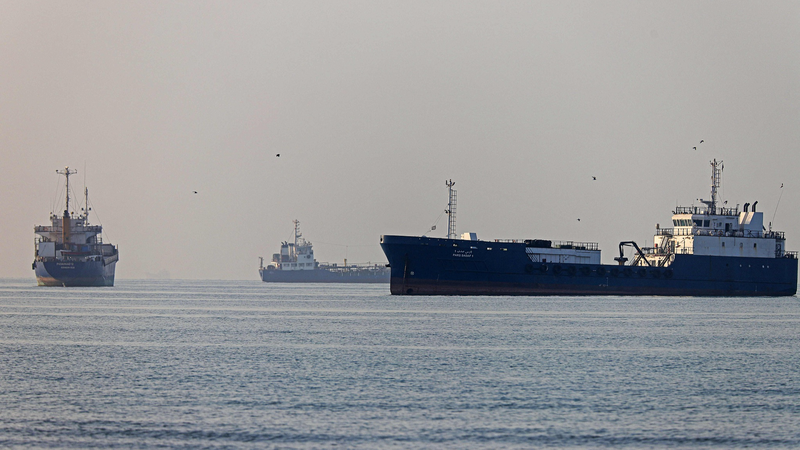
Tensions in the Middle East have surged following a cruise missile strike by the Islamic Revolution Guard Corps (IRGC) navy targeting a vessel linked to the United States and Israel. The IRGC identified the targeted ship as the MSC Sariska V, a Panama-flagged vessel, stating the operation was a direct response to a US military attack on the Lian Star, an Iranian commercial ship in the Gulf of Oman.
According to reports from the United Kingdom Maritime Trade Operations, the MSC Sariska V was hit while sailing approximately 40 nautical miles southeast of Umm Qasr, Iraq. The strike resulted in a "large explosion" on board. The IRGC has issued a stern warning, stating that any further aggression by the US military in the region will be met with a "decisive" response.
This incident is part of a broader pattern of sporadic clashes between Iran and the United States near the Strait of Hormuz. Over the past weekend, the US Central Command conducted "self-defense strikes" on Iranian radars and command-and-control sites for drones. These strikes were reportedly triggered by the shootdown of a US MQ-1 drone operating in international waters.
In a reciprocal move, the IRGC announced a retaliatory strike against a US air base, claiming to have destroyed all predetermined targets. This attack followed a US operation targeting a telecommunications tower on Sirik Island.
The strategic importance of the Strait of Hormuz remains at the center of the conflict. Since February 28, Iran has barred the passage of vessels affiliated with Israel and the United States. Simultaneously, the United States has imposed a naval blockade, restricting ships traveling to and from Iranian ports.
Despite the heightened volatility, the IRGC navy reported that 15 vessels, including four oil tankers, successfully crossed the Strait of Hormuz within a 24-hour period after coordinating with and obtaining permission from Iranian forces. For global investors and maritime analysts, the situation underscores the precarious nature of energy transit in one of the world's most critical waterways.
Reference(s):
cgtn.com