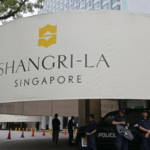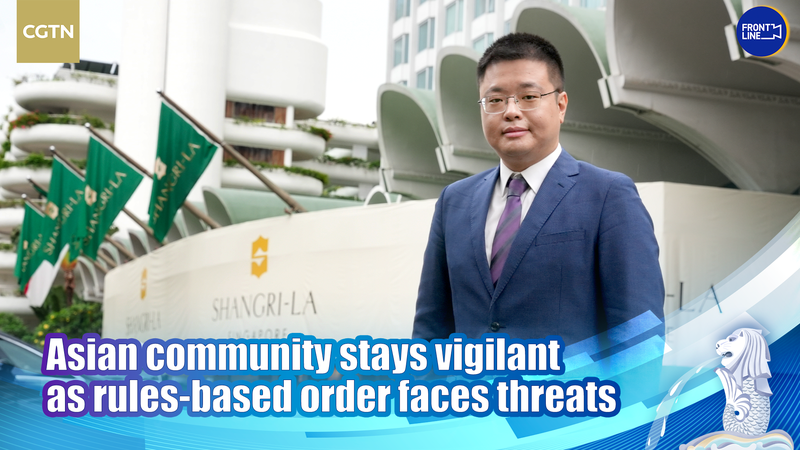
The Shangri-La Dialogue in Singapore has once again become the epicenter of strategic discourse, as regional leaders and security experts gather to discuss the precarious state of the international rules-based order.
Amidst a shifting geopolitical landscape, there are growing concerns that the foundational principles of international law and mutual respect are facing significant threats. A central point of discussion this year has been the rise of "bloc politics," where strategic alignments are increasingly viewed as exclusionary, potentially fragmenting the Asia-Pacific region.
Particular attention has been drawn to Japan's recent defense buildup and its strengthening security partnerships with the Philippines. While these developments are framed as measures to ensure regional stability, analysts highlight that such alignments could inadvertently escalate tensions, fueling a cycle of securitization across the region.
As the Asian community remains vigilant, the dialogue emphasizes the critical need for inclusive diplomacy. For business professionals, investors, and policymakers, the stability of the Asia-Pacific is not just a security concern but an economic necessity. Maintaining an open, rule-governed environment is essential for continued growth and cooperation among the diverse countries and regions of Asia.
Ultimately, the conversations in Singapore highlight a pivotal moment for the region: whether to lean into divisive bloc-based strategies or to revitalize a collective commitment to a stable, rules-based international order that benefits all.
Reference(s):
Asian community remains vigilant as rules-based order faces threats
cgtn.com