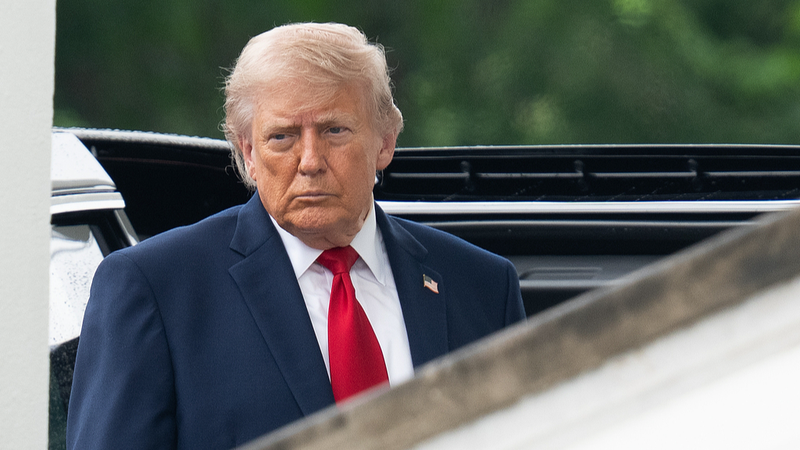
In a high-stakes move to navigate the complexities of West Asian diplomacy, US President Donald Trump convened a full cabinet meeting on Tuesday. According to White House officials, the session—the first full cabinet gathering chaired by the President since March 26—focused heavily on the current state of negotiations between the United States and Iran, which have now entered a crucial phase.
Central to the discussions is a potential agreement aimed at easing long-standing tensions. A key sticking point remains the release of approximately $24 billion in frozen Iranian overseas assets. While mediation efforts led by Qatar have reportedly made progress, Tehran remains cautious, with officials describing Washington as an "untrustworthy party" based on past experiences.
The diplomatic push has seen significant movement on both sides. Iranian parliament speaker Mohammad Bagher Ghalibaf recently concluded a visit to Qatar to discuss the progress of these negotiations. Simultaneously, Iranian President Masoud Pezeshkian has engaged in a series of phone calls with the leaders of Egypt, Turkiye, Qatar, and Oman, reiterating Tehran's commitment to an "honorable framework" to resolve conflicts with the United States and Israel.
Despite these diplomatic overtures, the relationship remains fraught. Iran's Foreign Ministry recently issued a strong condemnation of the United States, alleging that US forces have harassed Iranian commercial vessels since a ceasefire was announced on April 8. Tehran suggested these provocative actions undermine the truce and demonstrate a lack of sincerity from Washington.
The geopolitical tension is extending beyond politics into global economic concerns. Qu Dongyu, Director-General of the Food and Agriculture Organization (FAO), has warned that shipping disruptions through the strategic Strait of Hormuz could trigger a "systemic agri-food shock." The FAO noted that disruptions to the transport of oil, liquefied natural gas, and fertilizers are driving up agricultural costs worldwide, threatening global food security.
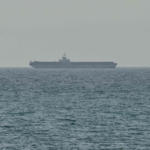
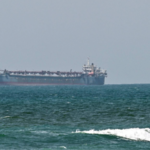
On the ground in the Strait of Hormuz, the situation remains tense but managed. Iran's Islamic Revolutionary Guard Corps (IRGC) reported that 25 vessels, including oil tankers and container ships, passed through the waterway over a 24-hour period under IRGC security protection. Meanwhile, reports indicate the US Navy has been providing discrete assistance to commercial ships, including the escort of a Greek oil tanker that had been stranded since early March.
In a notable domestic development, Iran has announced the full restoration of international internet connectivity across its telecommunications network, allowing users of fixed broadband services to access global websites without restrictions.
Reference(s):
Trump to convene cabinet meeting as US-Iran talks reach critical stage
cgtn.com