The conflict in the Middle East has entered a volatile new phase this week, marked by targeted strikes on leadership and a widening geographic scope of military operations. On Tuesday, the Israeli military announced the killing of Mohammad Odeh, the newly appointed chief of Hamas' armed wing in Gaza, in a strike that underscores the ongoing intensity of the war.
Leadership Vacuum in Gaza
Mohammad Odeh's death comes just days after his predecessor, Izz al-Din al-Haddad, was killed on May 15. According to Israeli Prime Minister Benjamin Netanyahu, Odeh previously headed Hamas' intelligence division during the October 7, 2023, cross-border attacks. While sources close to Hamas have been cautious about confirming the official appointment, they acknowledged Odeh was seen as the primary successor and a key member of the armed wing's higher leadership council.
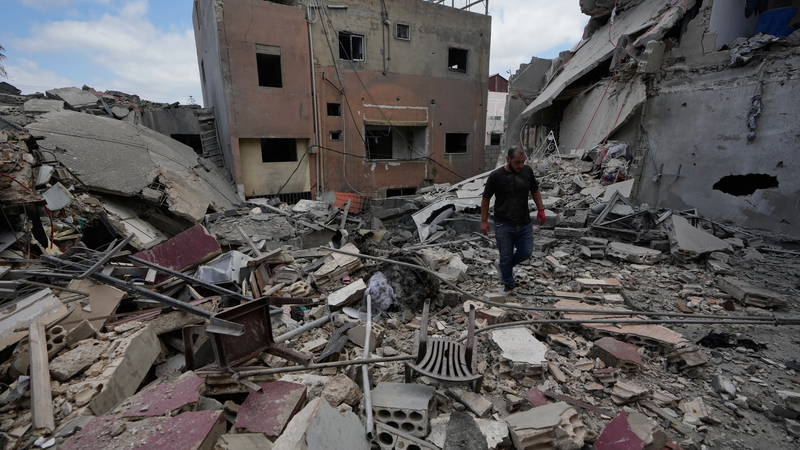
The strike took place in the Rimal neighbourhood of Gaza City, destroying an upper floor of an apartment building. Gaza health officials reported that six people were killed, including Odeh's wife and son, with more than 20 others wounded.
Expanding Fronts: Lebanon and the West Bank
Beyond Gaza, the conflict is expanding. Israel has announced the expansion of ground operations in Lebanon, where clashes with Iran-allied Hezbollah militants have intensified. These movements follow strikes involving Israel and the United States against Iran at the end of February. Simultaneously, Israel is ramping up military activities in the West Bank, further complicating the regional security landscape.
Diplomatic Deadlock and Global Ripples
Despite diplomatic efforts, including recent Cabinet meetings convened by Donald Trump to seal a deal to end the war, indirect talks between Israel and Hamas remain deadlocked. The primary sticking points center on the second phase of a ceasefire deal, specifically regarding the disarmament of Hamas and the withdrawal of the Israeli army.
The instability is creating friction far beyond the immediate combat zones. The Republic of Korea has announced it will summon Iran's ambassador following a probe that concluded a strike on a South Korean ship in the Strait of Hormuz was highly likely carried out by an Iranian-made missile. Meanwhile, Iran has warned that the United States and Israel intend to overthrow the Islamic republic, though the Revolutionary Guards stated a return to full-scale war with the U.S. is unlikely.
The economic impact is also being felt globally, with British energy bills expected to rise this summer as the ongoing Middle East volatility drives wholesale gas prices higher, demonstrating how regional instability continues to impact global markets and households.
Reference(s):
Israel says Hamas commander killed as Hezbollah clashes escalate
cgtn.com