Diplomatic Friction in the Middle East
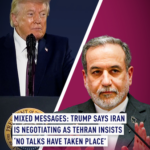
As of May 27, 2026, regional tensions have reached a critical juncture. A senior Iranian official has revealed details of a preliminary draft agreement between Tehran and Washington, suggesting a path toward de-escalation that the White House has since vehemently denied.
Alaeddin Boroujerdi, deputy head of the Iranian parliament's National Security and Foreign Policy Commission, stated that the draft accord envisions a comprehensive 60-day ceasefire across all fronts, including Lebanon. According to reports from the China Media Group and Iran's state television, the deal would require the United States to lift its maritime blockade and withdraw its forces. In return, Iran would restore the passage of certain commercial vessels through the strategic Strait of Hormuz.
Conflicting Narratives
The White House has reacted sharply to these reports, dismissing them as a "complete fabrication." Despite this denial, some external indicators suggest the possibility of such an arrangement. Israeli military chief Eyal Zamir noted that should a deal be signed, US Navy aircraft currently at Ben Gurion Airport would be immediately redeployed to bases across Europe, though Israel has secured assurances that these aircraft could return within 72 hours if hostilities resume.
The stakes for this potential framework are high. Officials from both sides have indicated that a preliminary deal could serve as a foundation for broader negotiations regarding Iran's nuclear program and the release of frozen assets. Specifically, Iranian media reports that Tehran is seeking access to approximately $24 billion in frozen funds, which remains a primary sticking point in negotiations hosted in Qatar.
Regional Volatility
These diplomatic efforts are unfolding against a backdrop of renewed violence. Just this week, Iran accused the United States of violating a seven-week-old ceasefire by striking targets in the southern province of Hormozgan. Washington has defended these actions as defensive measures targeting missile sites and vessels attempting to lay mines in the waterway. Simultaneously, Israel has launched over 120 air strikes across Lebanon, marking one of the most intense bombardments in recent weeks.
While US Secretary of State Marco Rubio has suggested that an agreement to halt the fighting could be finalized within a few days following progress on a memorandum of understanding, the ground reality remains precarious. Mohammad Akbarzadeh, deputy political chief of the Islamic Revolutionary Guard Corps Navy, warned that while the likelihood of renewed war is low due to what he perceives as US weakness, Iranian forces remain fully prepared for any eventuality.
If a final agreement is reached within the proposed 60-day window, it would reportedly be endorsed via a United Nations Security Council resolution. However, Tehran has emphasized that no steps will be taken without "tangible verification."
Reference(s):
Iran says draft deal includes 60-day truce, White House denies claim
cgtn.com