In a significant pivot of foreign policy, Hungarian lawmakers on Wednesday voted overwhelmingly to cancel the country's withdrawal from the International Criminal Court (ICC). The move effectively halts an exit process initiated last year by the country's nationalist former premier, Viktor Orban.
The decision comes under the leadership of Peter Magyar, a pro-EU conservative who secured a landslide electoral victory in April. Premier Magyar vowed to reverse the year-long exit process before the June 2 deadline, emphasizing a return to international legal cooperation.
The 199-member parliament passed the measure with 133 votes in favor, 37 against, and five abstentions. To ensure the reversal took effect in time, Magyar submitted the bill on Monday and utilized a fast-track legislative procedure. The legislation now awaits the signature of President Tamas Sulyok to officially become law.
The newly passed legislation underscores a commitment to global justice, stating that "in the interest of international peace and security, and for the protection of human rights it is … necessary to hold those who committed the worst of international crimes, accountable in an international court."
This policy shift marks a sharp departure from the previous administration. Former Premier Orban had moved to withdraw from the ICC in April 2025, claiming the court had become "political." This decision followed a state visit by Israeli Prime Minister Benjamin Netanyahu to Hungary; at the time, the Hungarian government rejected the notion of arresting Netanyahu, calling the ICC's arrest warrant "brazen."
Premier Magyar has since signaled a different approach, indicating that Hungary would execute ICC warrants against any individual, including Netanyahu, despite plans to invite him to Budapest later this year.
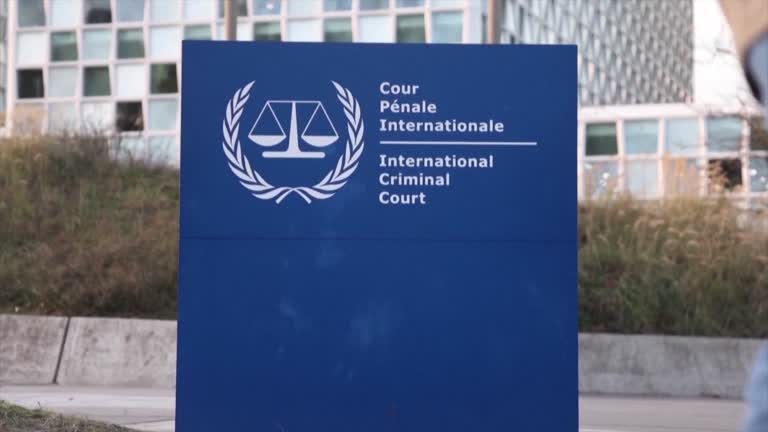
The ICC's legislative body has already hailed the government's announcement to discontinue the withdrawal as an "important decision." Established in 2002 and based in The Hague, the tribunal is backed by 125 member states and is designed to prosecute individuals responsible for genocide, war crimes, and crimes against humanity when national courts are unable or unwilling to do so.
Since its inception, the ICC has opened more than 30 cases. Hungary's decision to remain is particularly notable given that only Burundi and the Philippines have previously withdrawn from the court.
Reference(s):
Hungary parliament votes to stop Orban-initiated exit from ICC
cgtn.com