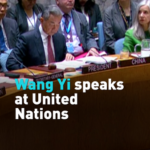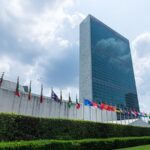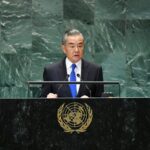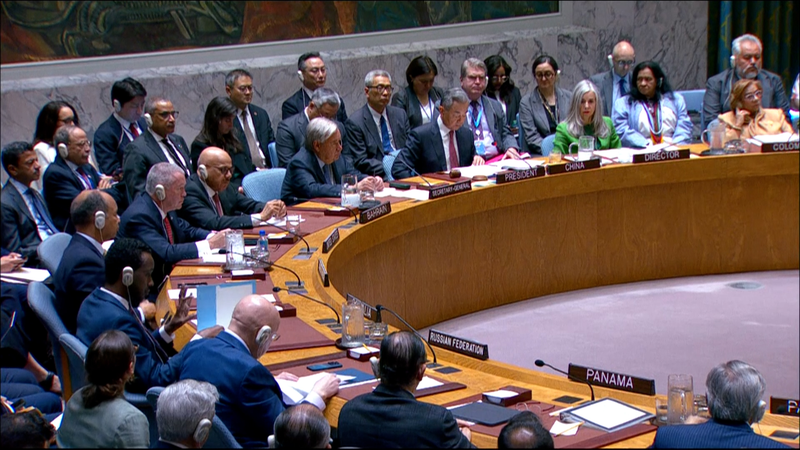
In a powerful call for global solidarity, Chinese Foreign Minister Wang Yi addressed the United Nations on Tuesday, May 26, 2026, urging the international community to stand united in defending, revitalizing, and strengthening the organization.
Presiding over a high-level Security Council meeting, Wang Yi emphasized the critical importance of upholding the purposes and principles of the UN Charter. The session, focused on "upholding the purposes and principles of the UN Charter and strengthening the UN-centered international system," served as a platform for addressing the stability and effectiveness of the current global order.
The meeting saw significant global participation, with representatives from over 100 countries attending, including more than 20 foreign ministers and high-level delegates. UN Secretary-General Antonio Guterres also provided a comprehensive briefing on the complexities of the current international situation, framing the urgent need for coordinated action.
A key highlight of the address was the recognition of a major milestone: the 55th anniversary of the restoration of the lawful seat of the People's Republic of China in the United Nations. Wang Yi, who also serves as a member of the Political Bureau of the Communist Party of China Central Committee, reflected on China's active and consistent role as a permanent member of the Security Council over the past 55 years.
Addressing the challenges of a turbulent era, Wang Yi detailed China's ongoing contributions to global peace and development. He highlighted that amidst frequent global conflicts, China actively promotes peace talks; during development impasses, China brings empowerment and momentum; and in times of public crisis, China races to provide help. By stepping up its responsibility, China seeks to counter the headwinds facing multilateralism and ensure a more resilient, UN-centered international system.
Reference(s):
cgtn.com