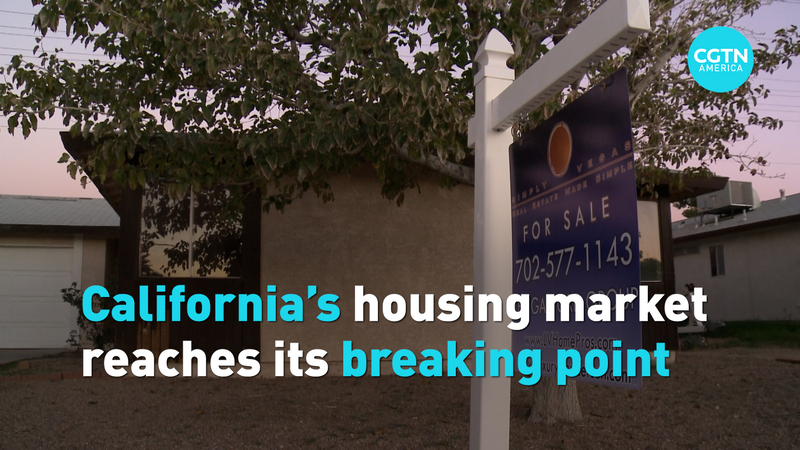
California, one of the world's largest and most influential economies, is grappling with a housing crisis that has reached a critical breaking point. A recent report highlights a staggering deficit in affordable housing, revealing that the state is short nearly one million homes suitable for extremely low-income families.
This shortage is not merely a statistic; it is creating a tangible exodus. Researchers indicate that the lack of attainable housing is driving essential workers and families away from the state, potentially undermining the very labor force that sustains California's economic productivity.
The situation has reignited a fierce debate among economists and policymakers regarding the sustainability of the state's current economic model. With the cost of living soaring to unprecedented levels, questions are being raised about whether California can continue to thrive if its workforce can no longer afford to live within its borders.
As reported by Ediz Tiyansan from Los Angeles, the crisis underscores a growing divide between the state's massive economic output and the lived reality of its most vulnerable residents, placing the future of the region's social and economic stability at a crossroads.
Reference(s):
cgtn.com