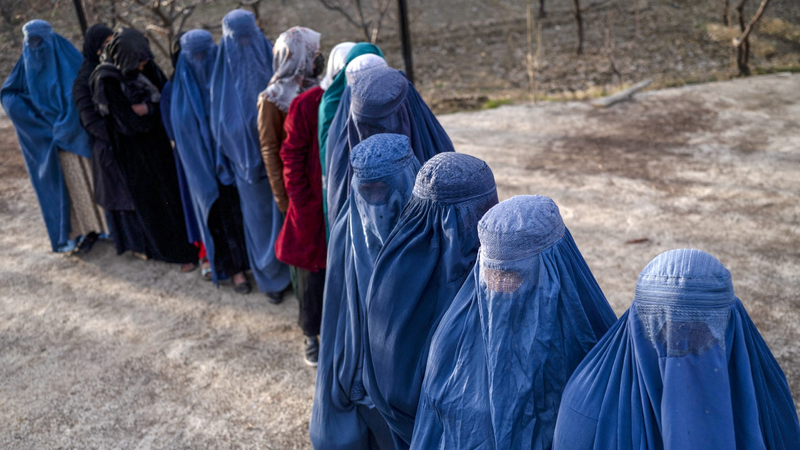
The United Nations Assistance Mission in Afghanistan (UNAMA) has issued a stark warning regarding a new decree titled the "Code on Judicial Separation of Spouses," which was published by the Taliban earlier this month. The UN body has expressed "grave concern," stating that the legislation reinforces structural discrimination and severely limits the autonomy of women in matters critical to their dignity, safety, and overall wellbeing.
Inequality in Legal Recourse
According to UNAMA, the new law creates a significant imbalance in how marriages are dissolved. While men retain a unilateral right to divorce, women are forced to navigate a complex and restrictive mediation process to achieve the same result. This disparity underscores the systemic challenges facing women's legal rights under the current administration.
Concerns Over Child Marriage and Consent
The UN's critique extends to the decree's impact on children. UNAMA specifically pointed to Article 5, which allows minors who have reached puberty the option to dissolve a marriage. The UN argues that this phrasing implicitly suggests that child marriage is permitted within the legal framework.
Furthermore, the decree introduces a controversial interpretation of consent. While verbal consent is required for boys and adult women, the silence of girls is interpreted as consent to marriage. UNAMA asserts that this approach undermines the principle of free and full consent and fails to protect the best interests of the child.
The Taliban's Response
In response to the international criticism, a Taliban spokesman defended the administration's record. He referenced a separate standing order that prohibits forced marriages, claiming that the courts have successfully addressed thousands of such cases over the past year.
Reference(s):
cgtn.com