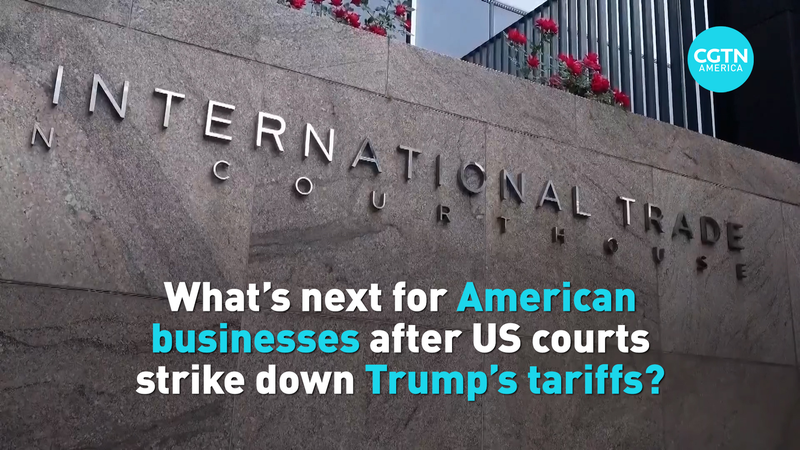
A significant shift in U.S. trade dynamics is unfolding as the U.S. Customs and Border Protection (CBP) begins processing a massive wave of tariff refunds. Following court rulings that struck down previous tariffs, the agency started accepting applications last month for an estimated $166 billion in repayments.
While the news is a windfall for importers and customs brokers—who are now actively seeking the return of duties paid—the development has sparked a heated debate over economic fairness and consumer protection. At the heart of the controversy is a fundamental question: who truly benefits from these refunds?
Critics and several U.S. state governments argue that when tariffs were originally implemented, the added costs were not simply absorbed by businesses. Instead, much of the financial burden was passed down to the general public through higher retail prices for a wide array of goods. Consequently, there are growing concerns that the consumers who effectively paid these tariffs may never see the money returned.
In response, multiple states are now demanding greater transparency and the implementation of stronger consumer protections. They are calling for mechanisms to ensure that the $166 billion does not simply remain as corporate profit, but instead finds its way back to the people who bore the initial cost.
For global markets and business professionals tracking Asian-Pacific trade, this situation underscores the volatile nature of trade policy and the long-term legal ramifications of tariff disputes. As the process continues, the resolution of these refund claims will serve as a critical case study in how trade litigation impacts the entire supply chain, from the exporters in Asia to the end consumer in the United States.
Reference(s):
What's next for US businesses after courts strike down tariffs?
cgtn.com