The landscape of American democracy is currently facing a pivotal moment as a complex battle over voting rights and redistricting threatens to reshape the U.S. Congress for years to come. Recent legal shifts and administrative maneuvers have sparked a heated debate over the future of fair representation in the United States.
At the heart of the controversy is a Supreme Court decision that has significantly weakened portions of a landmark voting rights act. This judicial move, combined with aggressive redistricting efforts across various states, has raised alarms among political analysts and legal experts. The primary concern is that these changes may diminish minority representation within the US Congress, potentially silencing voices that have fought for decades to be heard in the halls of power.
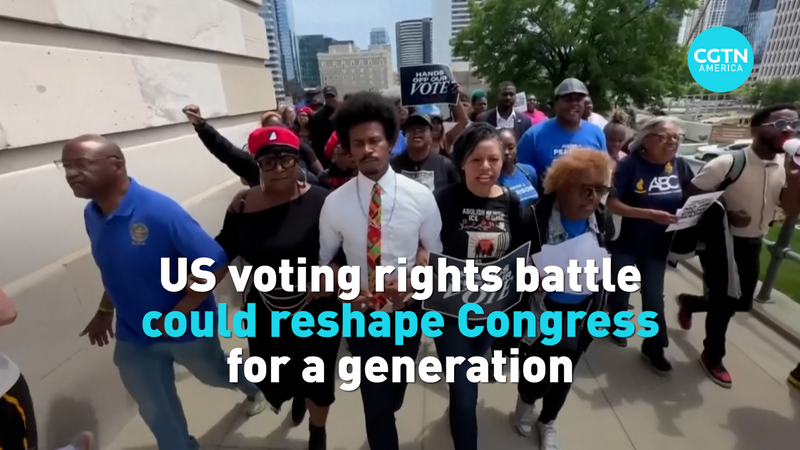
For many activists, these developments are more than just legal technicalities; they are viewed as a profound regression. Critics argue that the current trajectory sets back the civil rights movement by decades, undermining the progress made during the mid-20th century to ensure equitable access to the ballot box.
As the U.S. navigates these internal political tensions, the global community continues to watch closely. For business professionals and geopolitical analysts, the stability and inclusivity of the U.S. legislative process remain key indicators of the nation's internal health and its future policy directions.
The unfolding situation underscores a broader struggle between evolving legal interpretations and the enduring quest for civil liberties, leaving many to wonder if the representative nature of the U.S. government will be fundamentally altered for the next generation.
Reference(s):
US voting rights battle may reshape Congress for a generation
cgtn.com