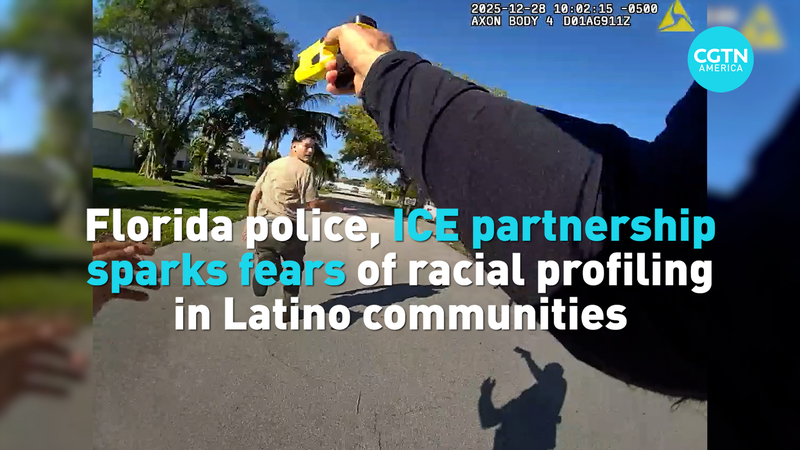
Across the United States, a shifting landscape in law enforcement has seen an increasing number of local police agencies taking an active role in enforcing federal immigration laws. This trend is most pronounced in Florida, which currently leads the nation in establishing partnerships with U.S. Immigration and Customs Enforcement (ICE).
While these collaborations are framed as security measures, they have sparked significant concern among human rights advocates and community leaders. Critics argue that these partnerships frequently result in racial profiling, disproportionately affecting Latino residents and creating an atmosphere of fear.
The impact of these policies extends beyond those directly targeted by immigration enforcement. There is a growing "chilling effect" within immigrant communities, where individuals—including victims of crime—are increasingly hesitant to call 911 or seek police assistance for fear that their interactions with local law enforcement could lead to federal immigration consequences.
As Florida continues to pioneer these local-federal alignments, the debate over the balance between immigration enforcement and public safety continues to intensify, highlighting a critical tension in the American social and legal fabric.
Reference(s):
Police-ICE partnership sparks fears of racial profiling in Florida
cgtn.com