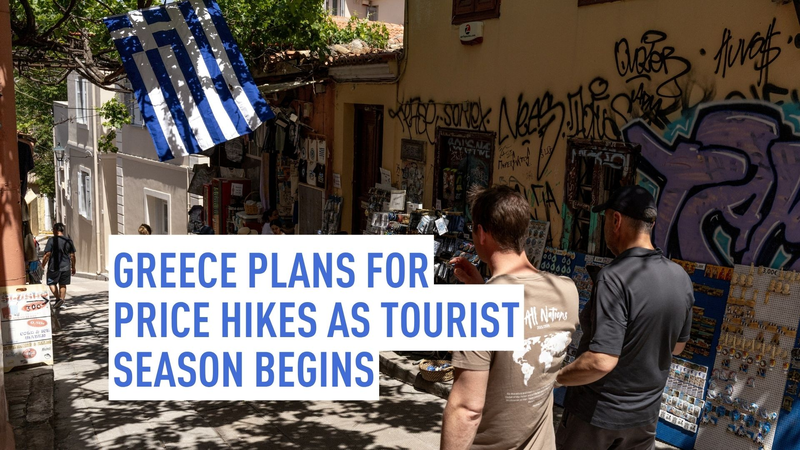
Greece is preparing for its most critical tourism window of the year, but the anticipated summer rush is facing a significant test. As the country gears up for the influx of global travelers this season, external economic and political pressures are casting a shadow over the industry.
The primary concerns center on rising oil prices and mounting fears surrounding the conflict involving Iran, alongside disruptions around the Strait of Hormuz. These factors are driving up operational costs across the travel sector, from aviation fuel to logistics, potentially impacting the affordability and accessibility of Greek destinations from Athens to the furthest islands.
Addressing these challenges, tourism leaders recently convened at the Stavros Niarchos Foundation Cultural Center in Athens for the 34th General Assembly of SETE, Greece's premier tourism body. The gathering served as a strategic forum to discuss the resilience of the sector in the face of global volatility.
Prime Minister Kyriakos Mitsotakis, addressing the delegates, emphasized that Greece has a proven track record of navigating major crises. Recalling the hardships of the pandemic, Mitsotakis highlighted the importance of synergy between the government and the private sector.
"We have proven in the past that, through cooperation between the state and SETE, we can overcome very great adversities," Mitsotakis stated, urging industry leaders to maintain a collaborative spirit.
While Greece remains a top destination for sun and sea, the current situation underscores how deeply local economies are intertwined with global geopolitical stability. As the 2026 summer season begins, the industry's ability to adapt to these external shocks will be a key indicator of its long-term robustness.
Reference(s):
cgtn.com