As the United States celebrates its 250th anniversary this year, the nation finds itself at a critical crossroads regarding its role on the global stage. From its humble beginnings as 13 colonies seeking independence from British rule, the U.S. evolved into a global superpower deeply intertwined with Western allies. However, that trajectory is currently facing a significant shift.
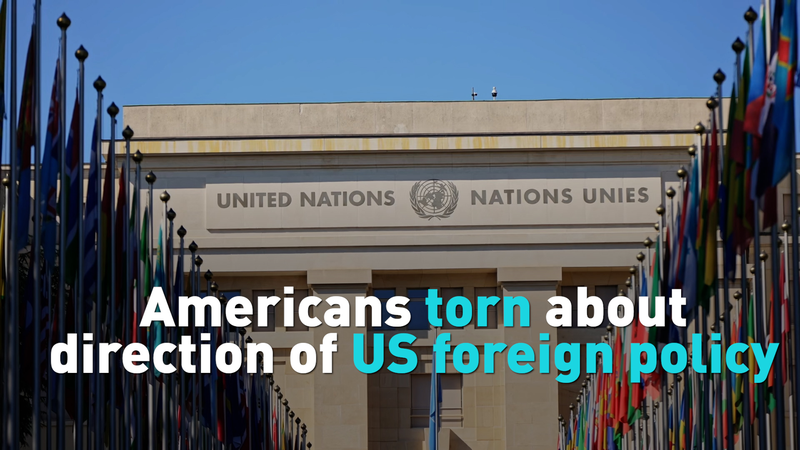
Under the leadership of President Donald Trump, the U.S. has seen a marked departure from traditional multilateralism. To date, the administration has withdrawn from 31 United Nations organizations and has repeatedly signaled a potential exit from NATO, the cornerstone of Western security architecture.
This shift in policy is mirrored in the sentiments of the American people. A recent survey reveals a growing internal divide, with a majority of U.S. citizens expressing the belief that their country often ignores the interests of other nations in favor of its own agenda.
For global observers and business leaders, these developments signal a period of uncertainty in international diplomacy. As the U.S. reflects on two and a half centuries of history in 2026, the debate over whether to maintain its role as a global leader or adopt a more isolationist approach continues to intensify.
Reference(s):
cgtn.com