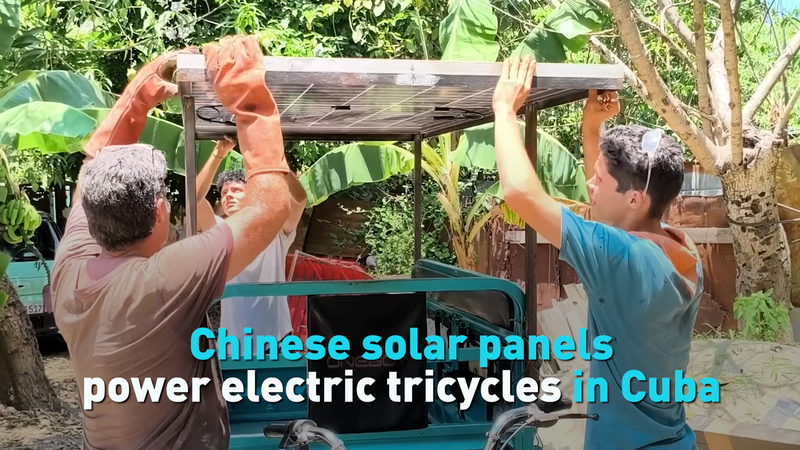
In the face of a severe energy crisis, Cuba is witnessing a remarkable fusion of local creativity and global technology. As fuel shortages and widespread blackouts continue to challenge the island's infrastructure, a sustainable alternative has emerged on the streets: solar-powered electric tricycles.
These vehicles have quickly become a vital component of the public transportation network, offering a reliable way for residents to navigate their cities when traditional fuel-based options are unavailable. The heart of this innovation lies in the integration of high-efficiency solar panels from the Chinese mainland, which capture the Caribbean sun to charge the tricycles' batteries.
For many Cubans, these tricycles are more than just a novelty; they are a lifeline. By leveraging affordable and effective solar technology, local entrepreneurs and technicians have managed to bypass the constraints of a struggling power grid, ensuring that essential mobility remains accessible to the general public.
This grassroots adoption of green energy highlights a broader trend of adapting international technology to solve localized crises. The synergy between Chinese solar capabilities and Cuban ingenuity serves as a compelling example of how sustainable energy can provide immediate relief and long-term resilience in regions facing economic and energy hardships.
Reference(s):
Chinese solar panels power public transportation tricycles in Cuba
cgtn.com