The World Health Organization (WHO) has issued a reassurance to the general public, stating that the risk of transmission is minimal as countries prepare to repatriate passengers from a cruise ship affected by a deadly hantavirus outbreak.
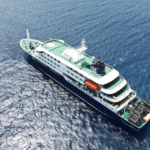
The Dutch-flagged vessel, the MV Hondius, which carries approximately 150 people, is expected to dock at the Spanish Canary Island of Tenerife this Sunday. The ship has become the center of international health concerns following a rare outbreak of the Andes virus—the only known species of hantavirus capable of transmitting from person to person.
The outbreak has already claimed three lives: a Dutch husband and wife and a German woman. Several other passengers have fallen ill with the disease, which typically spreads among rodents but has caused alarm in this instance due to the specific strain involved.
Spanish Health Minister Monica Garcia has outlined the repatriation strategy, noting that passengers currently on board who are not presenting symptoms will be flown back to their respective home countries via special flights. Additionally, 14 Spanish nationals on board will be transported to a specialized hospital in Madrid to undergo quarantine.
Despite the WHO's calming assessment, anxiety remains high on the ground in Tenerife. Local healthcare workers have expressed concerns that the arrival could trigger strict health protocols. One nurse, speaking on condition of anonymity, suggested that the fear among residents mirrors the early days of the Covid-19 pandemic.
"People are worried about their children, elderly relatives, and the vulnerable," the nurse stated, adding that any declared virus quarantine protocol could potentially disrupt schools and healthcare centers across the islands.
As the MV Hondius nears its destination, global health authorities continue to monitor the situation closely to ensure that the repatriation process is handled with the utmost caution to prevent any wider community spread.
Reference(s):
Hantavirus update: WHO says risk low as vessel nears Spain's Tenerife
cgtn.com