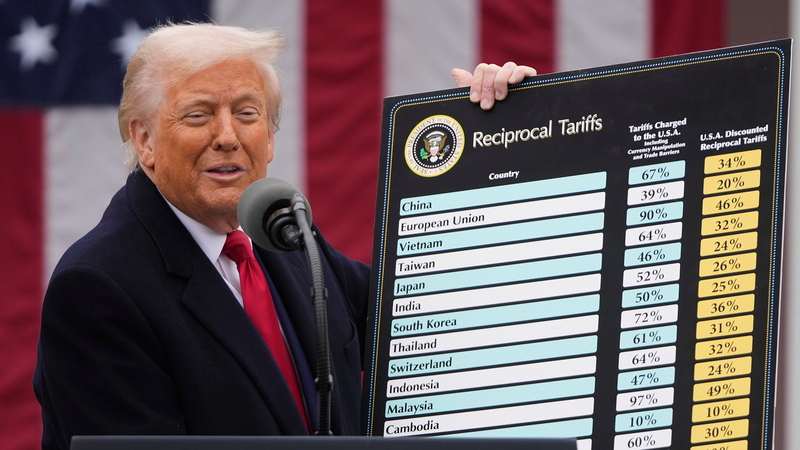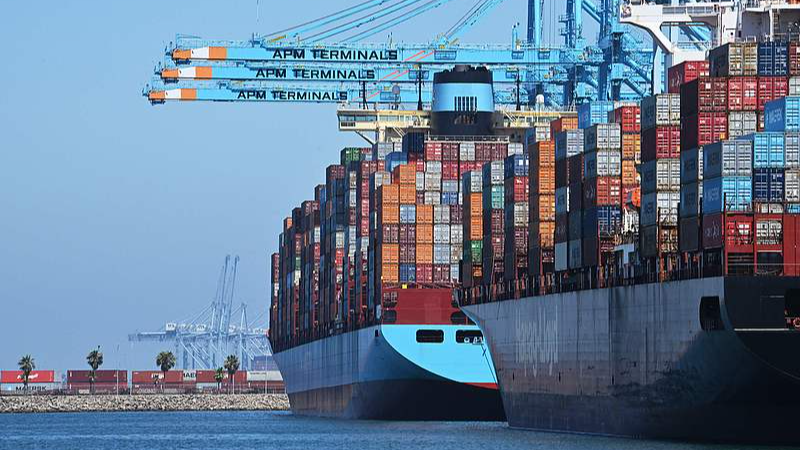
In a significant development for global commerce, the US Court of International Trade has ruled that the 10% global tariff implemented by US President Donald Trump is illegal. This ruling effectively invalidates the tariffs imposed on the majority of US imports, providing a potential reprieve for businesses and consumers worldwide.
The Legal Basis of the Ruling
The court's decision centered on Section 122 of the Trade Act of 1974. According to the ruling, this specific section only permits the imposition of tariffs when there are "large and serious balance-of-payment deficits." However, the court found that no such deficits currently exist.
Highlighting the distinction between economic terms, the office of Oregon Attorney General Dan Rayfield stated in a release that a trade deficit is not synonymous with a balance-of-payment deficit. Consequently, the court determined that the President's tariffs proclamation was invalid and unauthorized by law.
A Pattern of Legal Challenges
This is not the first time the administration's trade strategy has faced judicial scrutiny this year. In April 2025, the Trump administration initially attempted to invoke the International Emergency Economic Powers Act to establish universal tariffs. That effort was short-lived, as the Supreme Court ruled those tariffs unlawful in February 2026.
Following the Supreme Court's intervention, the administration immediately pivoted to Section 122 of the Trade Act of 1974, announcing a 10% ad valorem duty on all articles imported into the United States, citing trade deficits as the justification.
Timeline and Impact
The 10% duty went into effect at 12:01 a.m. EST on February 24, 2026, and was scheduled to remain in place until July 24, 2026, unless modified or extended by Congress. The legal pushback reached a peak in March 2026, when a coalition of 24 US states filed complaints against the global tariff.
For investors and business professionals monitoring Asian markets, this ruling underscores the ongoing volatility and legal complexities surrounding US trade policy, which continue to influence global supply chains and economic forecasting.
Reference(s):
US intl. trade court rules Trump's new 10% global tariff illegal
cgtn.com