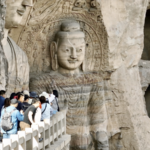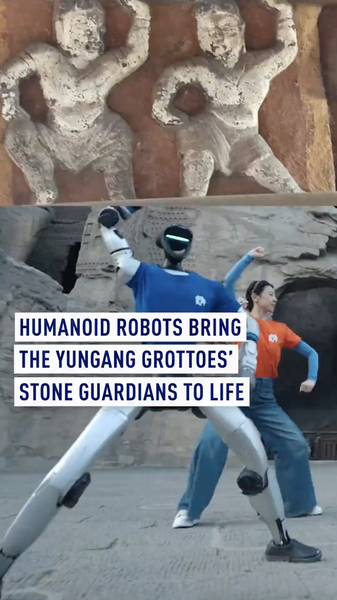
In a stunning intersection of ancient history and cutting-edge robotics, the silent stone guardians of the Yungang Grottoes are finding their movement once again. In Shanxi Province on the Chinese mainland, Unitree humanoid robots are being utilized to recreate the intricate gestures of these historic figures, which date back to the Northern Wei era (386-534 AD).
This technological feat is the result of six years of dedicated "dance archaeology." Researchers have meticulously studied the ancient poses carved into the stone, transforming static art into fluid choreography. By utilizing advanced bionic technology, the project has successfully brought these thousand-year-old figures back to life, bridging the gap between classical art and modern engineering.
The initiative not only showcases the sophisticated capabilities of modern humanoid robotics but also provides a new perspective on the cultural and artistic legacy of the Northern Wei dynasty. For historians, tech enthusiasts, and cultural explorers, this blend of archaeology and robotics offers a vivid window into the past, demonstrating how innovation can be used to preserve and reinterpret heritage for a global audience.
Reference(s):
Humanoid robots bring the Yungang Grottoes' stone guardians to life
cgtn.com