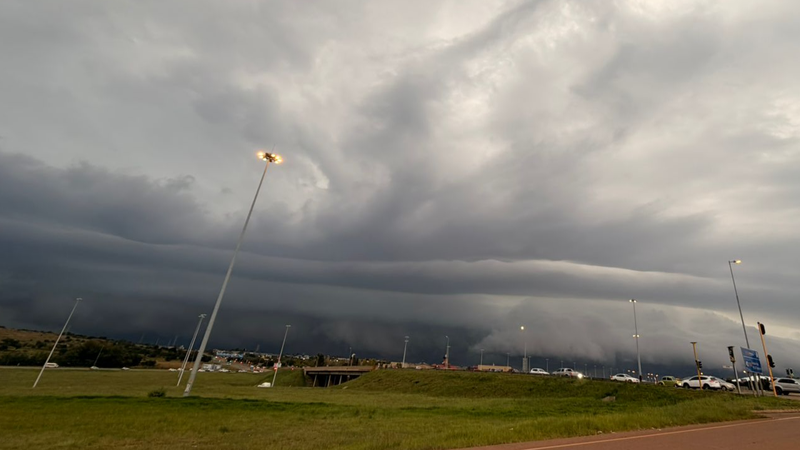
South Africa is currently bracing for a period of extreme weather as the South African Weather Service has issued widespread severe warnings across multiple provinces. An intense cut-off low system is bringing a volatile mix of heavy rainfall, thunderstorms, strong winds, and snowfall, creating challenging conditions for residents and infrastructure alike.
Eastern Cape Under High Alert
The Eastern Cape is expected to experience the most significant impact. An Orange Level 8 warning has been issued for the Koukamma and Kouga Local Municipalities, where disruptive rainfall is likely to cause flooding and infrastructure damage, potentially isolating some communities. Additionally, Orange Level 6 warnings are in effect for coastal areas between Tsitsikamma and Kei Mouth, with these conditions expected to persist through Thursday.
Widespread Storm Activity
The instability extends to KwaZulu-Natal, where a combination of Orange and Yellow level warnings highlight the risk of severe thunderstorms, damaging winds, and hail, which are likely to trigger localized flooding. Similar threats of flash flooding and hazardous travel conditions are forecast for the provinces of Gauteng, Free State, Limpopo, Mpumalanga, and North West.
In the Western Cape and along the Garden Route, the region is anticipating disruptive rain and rough seas, which pose significant risks to coastal infrastructure, small harbors, and transport networks.
Winter-like Conditions and Safety Warnings
Adding to the complexity of the current weather system, snowfall is expected in high-lying areas of the Northern Cape, Western Cape, and Eastern Cape. This has raised urgent concerns regarding icy roads and potential livestock losses.
With the system expected to persist through Wednesday and Thursday, authorities have urged the public—particularly motorists and farmers—to exercise extreme caution and prepare for rapidly changing conditions to ensure safety and minimize losses.
Reference(s):
cgtn.com