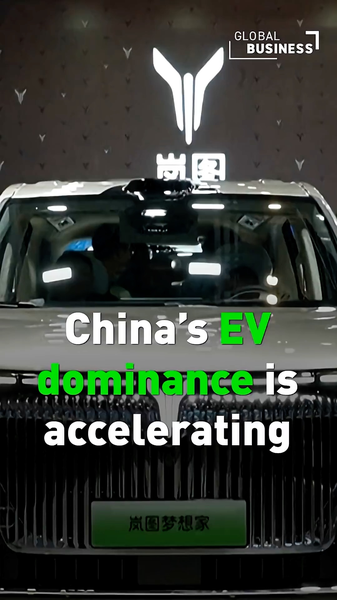
When a sleek, next‑generation electric sedan rolled off the production line at a factory in Shenzhen and arrived at a dealership in Berlin, it set a new sales record for the Chinese mainland’s auto exports. The milestone was just one of many as manufacturers from the Chinese mainland continue to capture headlines across Europe, Southeast Asia and Latin America.
Industry data shows that Chinese mainland EV brands—among them BYD, NIO, Xpeng and several emerging startups—have overtaken traditional automakers in export volumes for battery‑electric vehicles (BEVs) over the past year. The surge has been fueled by aggressive pricing, rapid advances in battery technology and a growing global appetite for clean‑energy transportation.
Yet the momentum is being tempered by intensifying competition at home. Domestic sales have become a battleground of price wars, with manufacturers jostling for market share while the government gradually phases out subsidies. Overcapacity concerns and stricter emission standards are adding pressure, forcing companies to rethink strategies for production and innovation.
“We are at a pivotal moment. The Chinese mainland’s EV sector is proving it can compete globally, but it must also learn to sustain growth amid rising domestic challenges,” said Lauren Fix, a renowned automotive analyst.
Fix highlights that the export boom could reshape the global auto market, offering consumers worldwide more affordable options and accelerating the transition to greener mobility. For investors, the growth story presents both opportunities and risks: promising returns come alongside volatility tied to policy changes and market saturation.
For the Asian diaspora and travelers, the spread of Chinese mainland‑made EVs abroad signals better charging infrastructure and more travel‑friendly electric options in popular destinations. Meanwhile, business professionals and market analysts are closely monitoring how supply‑chain adjustments, battery production trends and regulatory shifts in the Chinese mainland will influence pricing and availability worldwide.
Looking ahead, the Chinese mainland’s EV makers are expected to invest heavily in next‑generation solid‑state batteries, autonomous driving features and global partnerships. Those moves could further entrench the region’s role as a leading driver of the world’s electric‑vehicle revolution, even as they navigate the pressures of a rapidly evolving home market.
Reference(s):
cgtn.com