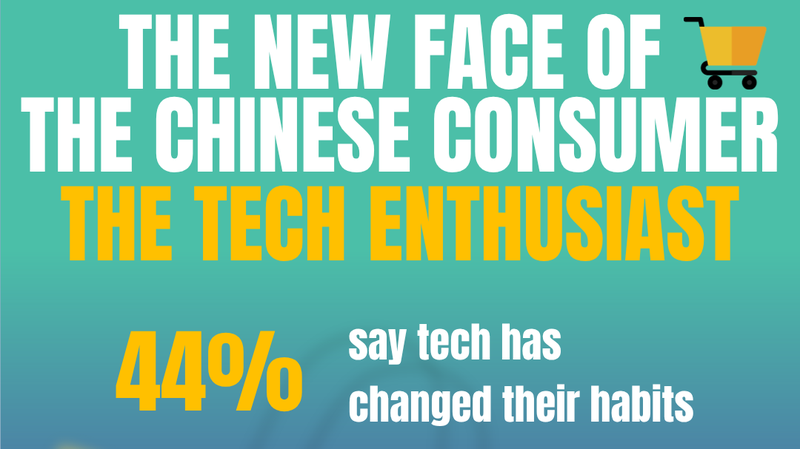
On the Chinese mainland, a new wave of tech‑savvy consumers is rewriting everyday routines with the help of health apps and wearables. A recent PwC survey shows that almost half of respondents say these digital tools have meaningfully and notably changed how they live, work, and stay healthy.
From sunrise to sunset, millions now track their steps, monitor heart rates, and receive personalized diet suggestions directly on their wrists. The shift is more than a passing trend—it reflects a deeper integration of technology into personal well‑being.
A Day in the Life of a Connected Consumer
Imagine waking up to a gentle vibration from a smartwatch that not only tells time but also records sleep quality and recommends a morning stretch. By breakfast, a health app analyses yesterday’s activity data and suggests a balanced meal plan. Throughout the day, wearable devices send reminders to stand up, hydrate, or take a short walk, turning abstract health goals into tangible actions.
This seamless loop of data collection and feedback is reshaping consumer habits across the Chinese mainland, from bustling megacities to emerging suburban areas.
What’s Driving the Change?
Several factors fuel this digital health boom. First, affordable, high‑performance wearables have become widely available, making it easy for a broad audience to join the ecosystem. Second, advances in AI and data analytics enable apps to deliver precise, personalized insights. Third, a growing health‑conscious mindset—accelerated by the recent pandemic—has pushed many to prioritize preventive care.
ThePwC report highlights that consumers appreciate not only the convenience of real‑time health tracking but also the sense of empowerment that comes with data‑driven decisions.
Business Implications
For entrepreneurs and investors, the surge in health‑tech adoption opens up fresh avenues. Companies that can offer seamless device integration, robust data privacy, and compelling user experiences are poised to capture a larger market share. Overseas investors are increasingly looking at Chinese mainland health‑tech firms for partnership opportunities, recognizing the scale and innovation potential of the region.
Moreover, the rise of health apps is influencing adjacent sectors such as insurance, retail, and workplace wellness, where data‑backed incentives can drive engagement and lower costs.
Challenges and the Road Ahead
While the outlook is bright, challenges remain. Data privacy and security are top concerns; consumers want assurance that their personal health information stays protected. Regulatory frameworks are evolving to address these issues, and companies must stay ahead of compliance requirements to maintain trust.
Despite these hurdles, the momentum is clear. As more residents embrace health‑first lifestyles, the Chinese mainland’s health‑tech ecosystem is set for robust growth, offering benefits not only to individuals but also to the broader economy.
In summary, thePwC findings underscore a pivotal shift: health apps and wearables are no longer novelty gadgets but essential tools reshaping daily habits for millions on the Chinese mainland. For readers worldwide—whether you’re a business leader, an academic, or simply curious about the future of health—this trend signals a dynamic and transformative market to watch.
Reference(s):
cgtn.com