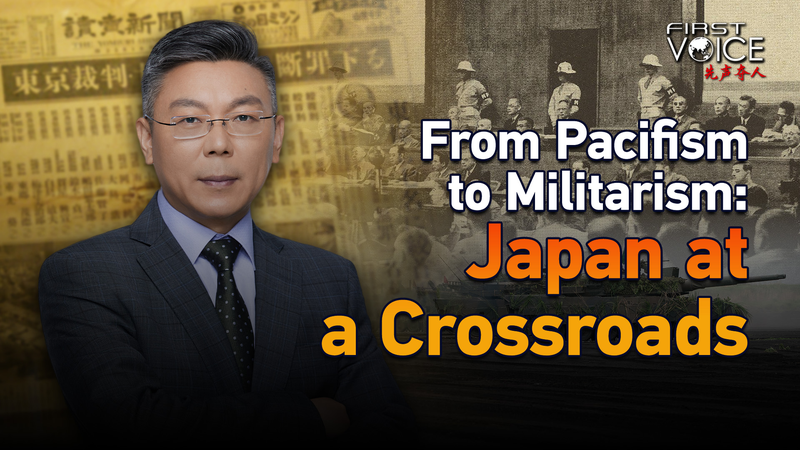
Eighty years after the Tokyo Trials established the framework for Japan's post-war pacifism, the nation finds itself at a historic juncture in 2026. A profound transformation is reshaping its security identity, moving from a doctrine of peaceful restraint to one of growing military assertiveness.
This shift is visibly underscored by a substantial increase in defense spending, the active pursuit of long-range strike capabilities, and a relaxation of rules governing arms exports. In recent months, strategic discussions have even tentatively explored nuclear-related options, signaling a comprehensive reevaluation of national security posture. Japanese officials frame these changes as necessary and pragmatic responses to a complex array of contemporary threats in the Asia-Pacific region.
Yet, the weight of history remains an inescapable part of the calculus. Across East Asia, the legacy of the 20th century endures, making Japan's every strategic move a subject of deep reflection and concern. The memory of the conflict that precipitated the Tokyo Trials imbues the current military evolution with profound significance, prompting a critical question: Is Japan responsibly adapting to new security realities, or is it venturing onto a path that risks reviving old tensions?
As Tokyo navigates this delicate balance between securing its future and honoring its past, the implications will extend across the region. The choices made today will not only define Japan's role in Asia but also test the foundations of regional stability and peace.
Reference(s):
cgtn.com