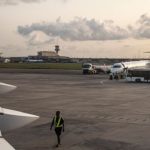
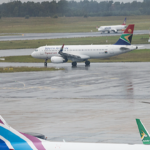
On May 3, 2026, the aviation industry witnessed a major shift as U.S.-based budget carrier Spirit Airlines announced it was ceasing all operations immediately. After 34 years of offering ultra-low fares that reshaped travel for millions, the airline cited unsustainably high fuel costs as the primary reason for its abrupt shutdown.
The company stated it has initiated an "orderly wind-down," canceling all future flights and suspending customer service channels. For countless budget-conscious travelers, especially across North America, this marks the disappearance of a key provider of affordable air travel, highlighting the intense pressures facing the low-cost carrier model.
While Spirit's operations were concentrated in the Americas, its fate sends a clear signal to aviation markets worldwide, including the dynamic and growing Asian sector. Soaring global fuel prices, a challenge for airlines everywhere, have proven particularly devastating for carriers built on razor-thin margins. Industry analysts are now closely watching how Asian budget airlines, which have seen explosive growth over the past decade, are navigating similar economic headwinds in 2026.
The closure underscores a harsh new reality in post-pandemic travel: the era of consistently rock-bottom fares may be fading. As operating costs climb, airlines are forced to make difficult decisions about routes, services, and ultimately, their survival. The story of Spirit Airlines serves as a case study in the fragile economics of mass-market air travel, a topic of keen interest to business professionals, investors, and policymakers across Asia monitoring the health of regional and global connectivity.
For now, the focus turns to the travelers left navigating canceled plans and a suddenly less competitive market. The void left by Spirit's departure raises questions about affordability and access in the skies, concerns that resonate with passengers and industry stakeholders from Tokyo to Jakarta.
Reference(s):
Budget airline Spirit shuts down after 34 years as fuel costs soar
cgtn.com