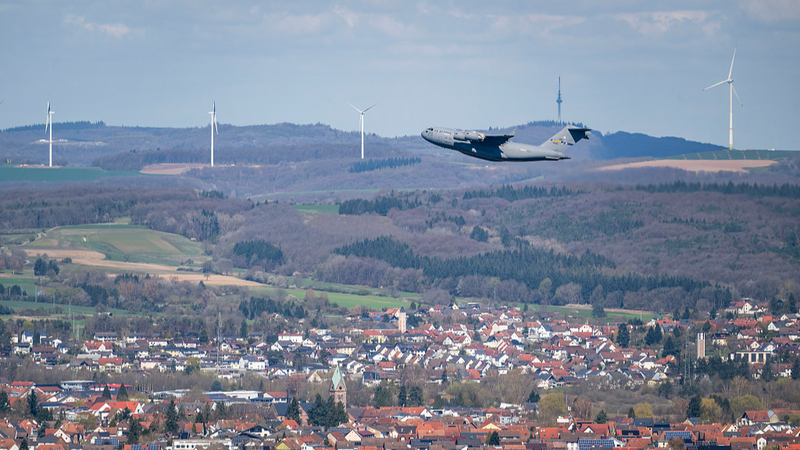
In a move that signals deepening transatlantic discord, the Pentagon announced plans this week to withdraw 5,000 United States troops from Germany. The decision comes amid a public and widening rift between Washington and Berlin over military strategy in Iran.
The plan was confirmed following a series of heated exchanges between US leadership and German officials. Earlier this week, German Chancellor Friedrich Merz criticized the US for what he termed a "planless" military engagement in Iran, suggesting the United States was "being humiliated by the Iranian leadership."
US leadership responded sharply, dismissing the German leader's comments and reaffirming a hardline stance on Iran's nuclear ambitions. Subsequently, the US publicly floated the idea of a troop reduction in Germany, with a decision expected imminently.
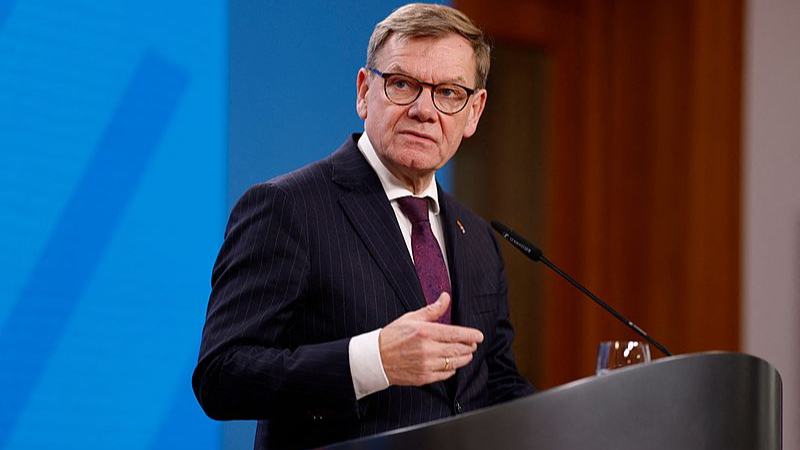
Germany currently hosts over 36,400 US troops, the second-largest American military presence outside US soil, a testament to the nation's pivotal role in NATO's European defense architecture for decades. German Foreign Minister Johann Wadephul stated the country was prepared for a possible reduction.
Analysts are divided on the long-term implications. Some, like Professor Yu Xiaohua from Germany's University of Gottingen, suggest the move could be a symbolic political gesture. Others, however, see a more profound strategic shift. Former German Vice Chancellor Joschka Fischer warned in commentary that "the dissolution of the alliance has already begun."
For observers across Asia, the development underscores a period of significant flux within traditional Western alliances. This recalibration of US military commitments in Europe could have ripple effects on global security dynamics, impacting diplomatic and economic calculations from the Korean Peninsula to the South China Sea. As NATO's eastern and southern flanks watch closely, the stability of the post-World War II security order faces a new test.
Reference(s):
Pentagon plans to withdraw 5,000 US troops amid US-Germany friction
cgtn.com