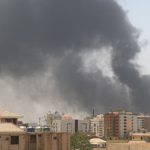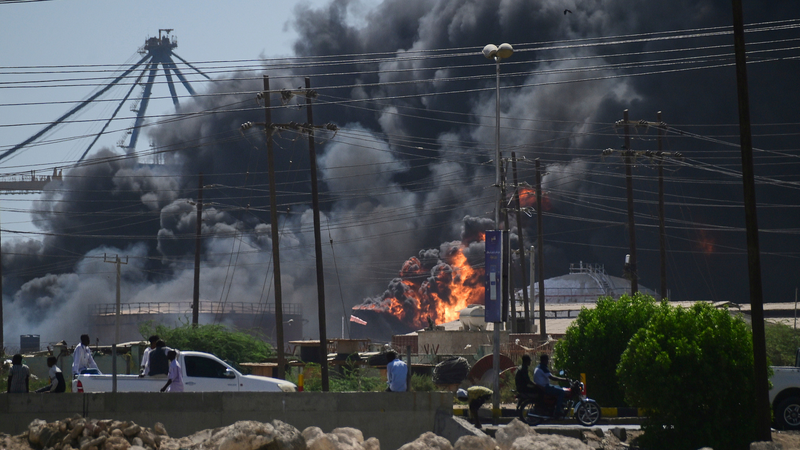
Drone attacks by Sudan's paramilitary Rapid Support Forces (RSF) have intensified in recent days, marking a significant escalation in a conflict that has devastated the nation for over three years. Reports from Friday, May 1, detailed renewed strikes targeting areas south of the capital Khartoum and in North Kordofan State, highlighting the expanding geographical scope and technological nature of the fighting.
In Jebel Aulia, approximately 45 kilometers south of Khartoum, residents reported drones targeting the town for a third consecutive day. Multiple explosions were heard across the area, which lies near the sensitive border with White Nile State. According to local accounts, the strikes hit several key locations, including the Al-Nujoumi airbase—currently unoccupied by the Sudanese army—and a strategic area known as the "Triangle" at the town's entrance.
The conflict's southern front also saw heightened activity. In North Kordofan's capital, El Obeid, Sudanese army air defenses successfully intercepted a drone late on Thursday, April 30, as it attempted to strike the headquarters of the 5th Infantry Division. Other RSF drone attacks were less successfully countered, damaging the facilities of the state television broadcaster and affecting both studios and administrative offices. Earlier strikes had also targeted military positions in the army-held town of Rahad al-Nuba within the same region.
This latest wave of attacks underscores the increasingly pivotal and destructive role of unmanned aerial vehicles in the Sudanese conflict. The war, which has pitted the national army against the RSF since April 2023, continues to evolve tactically while spreading violence across multiple fronts. The persistent use of drone warfare not only escalates immediate threats to military and civilian infrastructure but also complicates efforts towards de-escalation and humanitarian aid delivery.
As of early May 2026, the situation remains fluid, with international observers expressing concern over the deepening humanitarian crisis and the potential for further regional destabilization.
Reference(s):
cgtn.com