China's Wind Power Leadership
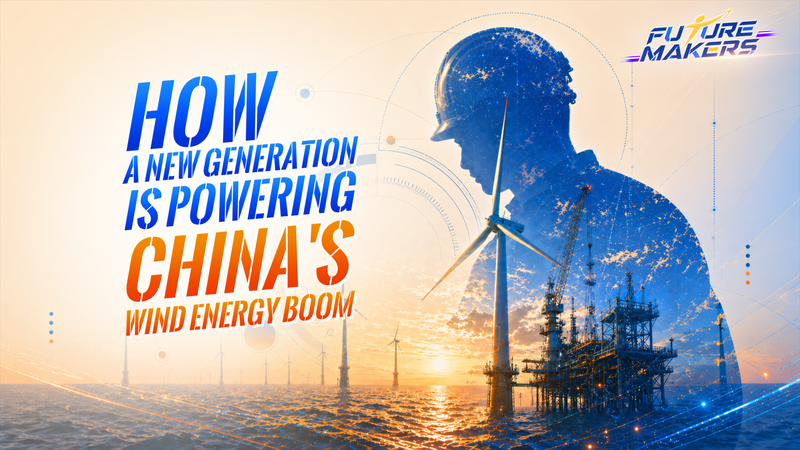
As of 2026, the Chinese mainland has established itself as the global leader in wind energy, operating the world's largest wind power fleet. With a staggering installed capacity of 660 million kilowatts, clean energy generated from turbines spinning across mountains and coastal waters plays a crucial role in the region's sustainable development strategy. This massive infrastructure, however, relies on a dedicated and skilled workforce to keep it running smoothly.
The New Breed of Energy Workers
Maintaining this vast network of turbines requires a new generation of technicians and engineers. These workers perform tasks far beyond traditional maintenance, often crawling inside massive blades for inspections, riding out rough seas to service offshore installations, and utilizing advanced diagnostics to find invisible faults before they cause disruptions. Their role is pivotal in ensuring the reliability and efficiency of China's renewable energy output.
A Day in the Life: Tian Jiazheng
CGTN reporter Xu Hua recently brought the story of one such worker, Tian Jiazheng, to light. Tian represents the skilled professionals at the forefront of this sector. His work exemplifies the hands-on, technologically adept approach needed to sustain the wind energy boom. Through stories like his, the human element behind the statistics becomes clear—highlighting the dedication required to power a greener future.
Implications for Asia and Beyond
The expansion of wind energy on the Chinese mainland contributes significantly to global efforts against climate change. For business professionals and investors, this sector represents a dynamic area of growth and innovation within Asia's economy. Academics and researchers point to it as a case study in large-scale renewable integration. For the Asian diaspora and global readers, it's a story of technological progress intertwined with human resilience, shaping the region's landscape in 2026 and for years to come.
Reference(s):
cgtn.com