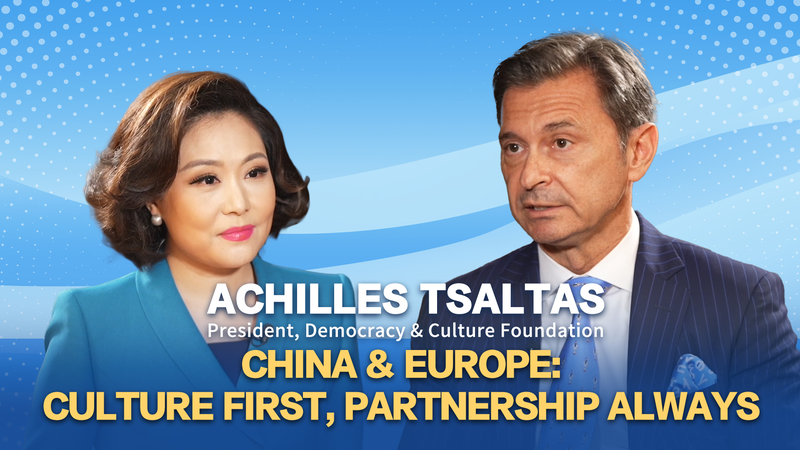
The relationship between China and Europe stands at a pivotal juncture in 2026, with cultural dialogue increasingly seen as the cornerstone for a stable and cooperative future. In a recent reflection shared with KhabarAsia.com, Achilles Tsaltas, President of the Democracy & Culture Foundation, emphasized moving beyond simplistic narratives of competition to foster a deeper, more enduring partnership.
"The foundation of any lasting relationship is mutual understanding and respect," Tsaltas stated. He advocates for a "culture first" approach, where sustained people-to-people exchanges, artistic collaborations, and educational programs pave the way for stronger political and economic ties. This perspective arrives at a time when both sides are navigating complex global challenges, from economic transitions to shared environmental concerns.
A key element of Tsaltas's vision is the potential for Eastern philosophical traditions to contribute to global discourse. He specifically highlighted how Confucian ideals—such as harmony, respect, and a focus on collective well-being—can offer valuable insights to Western societies. "Asian values, steeped in a long history of civilization, provide a different lens through which to view governance, community, and sustainability," he explained. This cross-cultural fertilization, he argues, is not a one-way street but a reciprocal process that enriches both continents.
Looking ahead, Tsaltas expressed particular optimism about the role of younger generations. "The youth in both China and Europe are more connected and globally aware than ever before," he noted. Their natural affinity for digital communication and shared concerns about the future position them as powerful agents for strengthening cross-continental bonds. This grassroots, youth-driven engagement complements official diplomatic channels, creating a multi-layered network of friendship.
For business professionals and investors monitoring Asia-Europe corridors, this cultural emphasis underscores the importance of soft power and long-term relationship building in any successful venture. Academics may find a rich field of study in the evolving synthesis of Eastern and Western thought that Tsaltas describes. For the global Asian diaspora and cultural explorers, these developments signal a vibrant era of artistic and intellectual exchange between two of the world's great civilizations.
Ultimately, the message is one of constructive partnership. By prioritizing cultural bridges, both China and Europe can build a relationship defined not by fleeting transactions but by what Tsaltas calls "friendship always"—a resilient connection capable of withstanding the tests of a changing world.
Reference(s):
cgtn.com