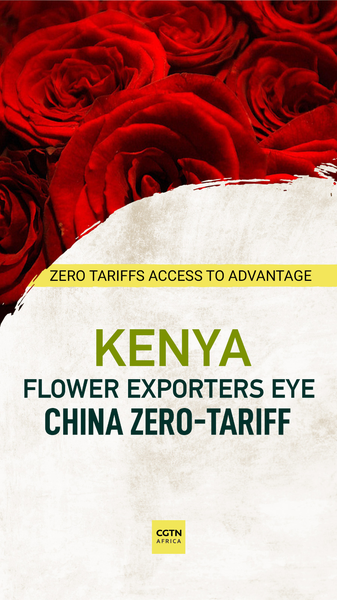
A new chapter in Africa-China trade relations is about to unfold, with Kenyan flower exporters poised to be among the first beneficiaries. Starting tomorrow, May 1, 2026, a landmark zero-tariff policy initiated by China will come into effect, covering 98% of taxable items imported from 53 African countries, including Kenya.
This policy shift arrives at a critical time for Kenya's vibrant horticulture sector. For years, the country has been a leading global supplier of roses and other blooms, primarily to European markets. However, exporters have long navigated the challenges of price volatility and intense competition. The opening of the vast Chinese consumer market under preferential terms presents a transformative opportunity for stability and growth.
The implications extend far beyond Kenya's flower farms. The policy is a cornerstone of deepening economic cooperation between China and African nations, designed to stimulate value-added exports from the continent. By removing tariff barriers, African businesses can become more competitive, encouraging diversification and industrialization. Analysts see this as a strategic move to rebalance trade flows and foster more sustainable, mutually beneficial partnerships.
"This isn't just about cheaper roses," explains a Nairobi-based trade analyst. "It's about market access. It allows Kenyan producers to build a new, resilient revenue stream. For China, it aligns with consumer trends favoring premium, imported goods and supports its broader commitment to African development."
The immediate focus for Kenyan exporters is logistics and market penetration. Ensuring the cold chain integrity for delicate flowers during the longer shipping routes to Asia is a key operational hurdle. Furthermore, understanding the preferences of Chinese consumers—who may favor different rose varieties or arrangements than European buyers—will be crucial for success.
As the policy takes effect, businesses across the continent are reviewing their export portfolios. From Zanzibar's clove farmers to Ethiopian coffee growers and Senegalese nut producers, the zero-tariff window is prompting a continent-wide reassessment of export strategies toward the East. For Kenya's flower industry, the hope is that this new avenue will not only cushion against global market swings but also cultivate a lasting and prosperous trade relationship with one of the world's largest economies.
Reference(s):
cgtn.com