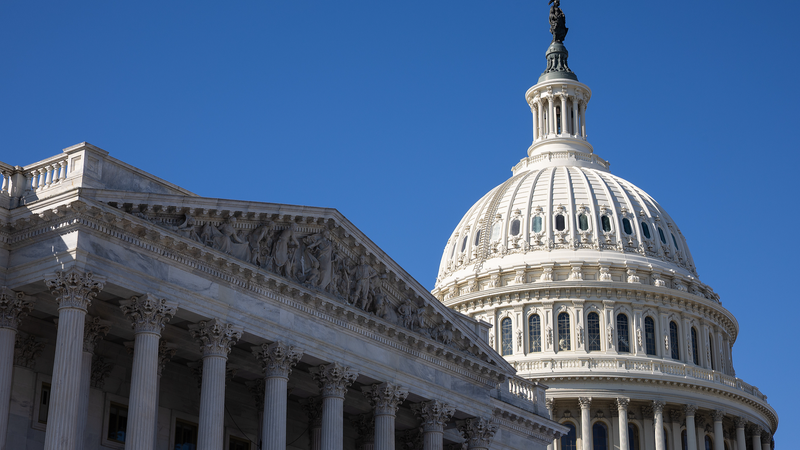
In a move highlighting the enduring partisan divide in American politics, the US Senate has rejected a resolution aimed at preventing President Donald Trump from undertaking military action against Cuba without congressional approval. The vote, held on Tuesday, April 28, 2026, saw the Republican-led chamber defeat the Democratic-led measure along strict party lines.
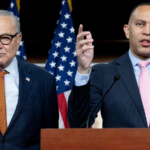
The Senate voted 51 to 47 on a procedural point of order, effectively blocking the war powers resolution. Republican Senator Rick Scott of Florida, who introduced the point of order, argued that the measure was unnecessary. "There are no active US hostilities against Cuba," Scott stated, emphasizing that President Trump has not deployed troops to the island.
Democratic Senator Tim Kaine of Virginia, the resolution's lead sponsor, countered that current US efforts to intercept fuel shipments to Cuba constitute a form of military action. "If anyone were doing to the United States what we are doing to Cuba, we would definitely regard it as an act of war," Kaine asserted in a Senate speech before the vote.
This debate unfolds amidst a series of unauthorized military engagements under the Trump administration. Since late February 2026, US forces have launched strikes related to Venezuela and engaged in conflict with Iran alongside Israel, all without formal congressional authorization.
President Trump has previously signaled his focus on Cuba, stating "Cuba is next," while frequently expressing a belief that the island's government is nearing collapse. He has not detailed specific plans for military action.
The Senate's action marks another unsuccessful attempt by Democrats to mandate congressional approval for military operations, a recurring point of contention during Trump's presidency.
Reference(s):
US Senate rejects bid to bar Trump from military action against Cuba
cgtn.com