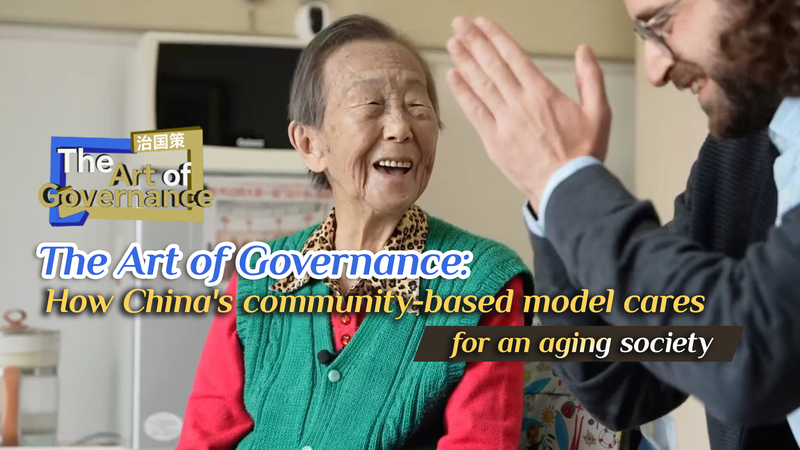
Imagine a typical morning in a residential community in urban China. Instead of isolation, seniors gather in a bright, communal space. Some practice tai chi in the courtyard, others attend a calligraphy class, while a community health worker checks in on a resident who lives just upstairs. This is not a scene from a utopian film; it is the daily reality within China's evolving community-based elderly care system, a proactive response to one of the most pressing demographic shifts of our time.
Aging is a global phenomenon, and China is at its forefront. Currently, more than 300 million people in the country are aged 60 and above, representing a significant 22% of the total population. The sheer scale presents a profound societal question: how can a nation ensure dignity, comfort, and quality of life for such a vast number of its senior citizens?
The answer, increasingly, is found not in distant institutions but within the neighborhoods themselves. China's community-based elderly care model is redefining support for the aging population. Moving beyond the paradigm of basic physical care, this innovative approach aims to elevate overall well-being. Its core philosophy is to bring integrated services directly to where seniors live, allowing them to age in place—surrounded by familiar faces and their community.
This model represents a significant shift from some traditional practices. Rather than primarily relocating seniors to centralized facilities, it weaves a support network into the fabric of daily community life. This network can include day-care centers, meal services, at-home medical visits, cultural and recreational activities, and volunteer assistance. The goal is comprehensive: support not just for living, but for living better, more engaged, and healthier lives.
As populations across Asia and the world continue to age, the strategies developed today will shape the societal landscape of tomorrow. China's community-based approach offers a compelling case study in pragmatic, human-centric policy innovation. It stands as a distinctive practice developed to meet a specific national challenge, demonstrating how societal structures can adapt to care for their most valuable members—our elders.
Reference(s):
The Art of Governance: How China's community-based model cares for an aging society
cgtn.com