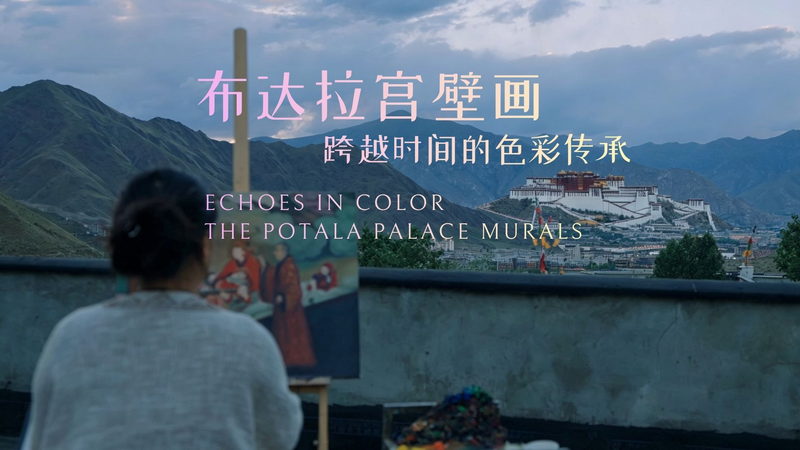
Echoes Through the Centuries: A Living Legacy
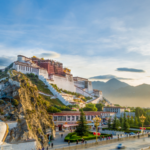
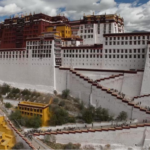
High on the Red Hill in Lhasa, the Potala Palace stands as a majestic testament to history and faith. Within its hallowed walls, a vibrant story of artistic devotion unfolds across the ages, connecting master painters of the 17th century with a new generation of creators today.
The journey begins in 1648, when work commenced on the intricate murals adorning the palace's Great East Hall. Summoned by the 5th Dalai Lama, the finest painters, carpenters, and metal artisans from across southwest China's Xizang region converged for this monumental task. Among them was the revered master Choying Gyatso, entrusted with creating the stunning murals and thangkas (religious paintings) that would define the sacred space. Remarkably, some of his original works within the Great East Hall have retained their vivid colors for nearly 400 years, a silent yet powerful echo of a profound artistic tradition.
A Bridge Across Time
This rich legacy is not confined to the past. In 2026, the tradition of mural art continues to evolve and inspire. Young artists like An Nianchu are now reinterpreting this cultural heritage, studying the ancient techniques and spiritual narratives to create contemporary works that speak to modern audiences.
An Nianchu's work represents a conscious effort to carry forward the skills and storytelling essence of her predecessors. By engaging with the symbolism, color palettes, and meticulous methods of traditional Tibetan painting, she and her contemporaries ensure the art form remains a living, breathing dialogue between history and the present.
Cultural Continuity in a Global Context
The enduring appeal of the Potala Palace murals underscores the universal value of cultural preservation. For global readers and the Asian diaspora, they offer a tangible link to a rich historical tapestry. For academics and cultural explorers, they present a fascinating case study in art history, material science, and religious expression. The ongoing work of artists like An Nianchu highlights how ancient traditions can find new relevance, fostering a deeper appreciation for Asia's diverse cultural landscape.
As visitors from around the world continue to marvel at the centuries-old art in the Great East Hall, the parallel story of its modern reinterpretation ensures that the echoes of Choying Gyatso's brushstrokes will resonate far into the future.
Reference(s):
cgtn.com