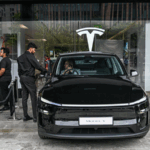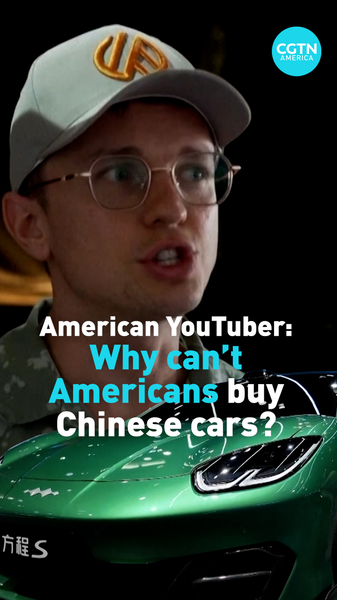
At this year's Beijing International Automotive Exhibition, a recurring question from across the Pacific echoed through the halls of innovation: Why are sleek, high-tech, and affordable Chinese cars absent from American driveways? American YouTuber and Wheelsboy co-founder Ethan Robertson, attending the event, highlighted the curiosity and frustration of his U.S.-based followers.
"I can't believe the government won't allow them to sell this car in my country," Robertson remarked, encapsulating a sentiment shared by many viewers captivated by the vehicles on display. His experience points to a growing awareness and appetite among global consumers for the advancements emerging from the Chinese automotive sector.
The scene at the Beijing exhibition was one of cutting-edge electric vehicles (EVs), sophisticated driver-assistance systems, and designs that rival established global brands. For international observers like Robertson, these products represent not just consumer goods but symbols of rapid technological progression and competitive pricing.
This disconnect between product availability and market access underscores broader dynamics in international trade and automotive industry competition. As Chinese automakers accelerate their push into overseas markets across Europe, Southeast Asia, and Latin America, their notable absence in the United States presents a unique case study. Analysts point to a complex web of factors including tariffs, differing safety and emissions certification standards, and geopolitical trade policies as potential barriers.
For global investors and business professionals watching Asia's economic landscape, the evolution of the Chinese auto industry and its export strategy remains a key trend. The industry's pivot towards electrification and smart connectivity is reshaping global supply chains and competitive balances.
Robertson's viral commentary, born from the floors of Beijing's premier auto show, brings a human face to these macro-economic trends. It reflects a moment where consumer desire is running ahead of market realities, highlighting the intricate interplay between innovation, trade policy, and global consumer culture in 2026.
Reference(s):
cgtn.com