A shadowy Iranian hacking group has claimed a significant breach of sensitive U.S. military data, thrusting cybersecurity and regional tensions back into the global spotlight. According to Iranian media reports, the hacktivist collective known as Handala stated it has published the full names and personal details of nearly 2,400 U.S. Marines deployed across the Middle East.
The group framed the data exposure as a demonstration of its intelligence-gathering capabilities, describing the leaked information as "just a drop in the ocean." In a message published on Tuesday via Telegram, Handala asserted it holds a vast trove of data on American military personnel, including identities, movements, and other private information.
Characterizing the move as a "minor warning," the group claimed U.S. military security is "nothing more than an empty illusion." The message included direct threats to expose further information and potentially carry out additional cyber attacks in the future.
This incident marks a notable escalation in the group's activities. Last month, Handala reportedly breached the accounts of the head of the Federal Bureau of Investigation (FBI), publishing personal emails and photographs. This recent claim against military personnel suggests a broadening of targets and an increase in operational ambition.
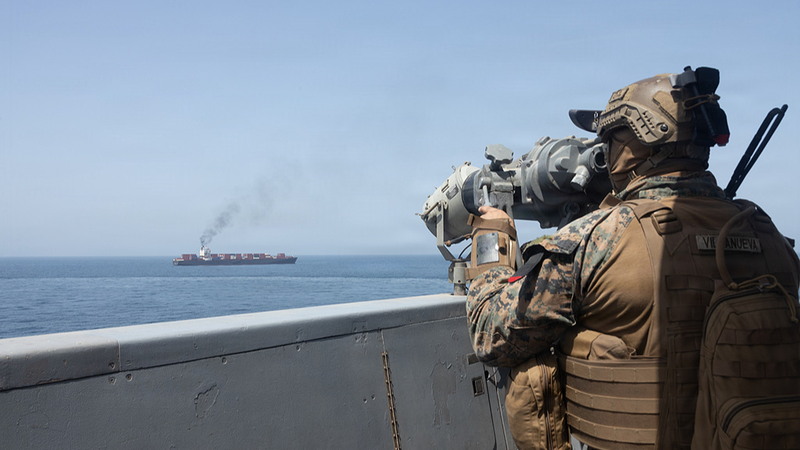
The alleged breach comes amid a period of significant U.S. military presence in the region, with approximately 50,000 service members currently deployed across the Middle East. The exposure of personal data belonging to deployed personnel raises immediate concerns about operational security and the safety of individuals and their families.
For business professionals and investors, this event underscores the growing role of cybersecurity as a critical geopolitical and operational risk factor in the Middle East. Academics and researchers will likely examine this as a case study in the weaponization of data within international conflicts. For the global audience following Asian and Middle Eastern affairs, it highlights the complex, multi-domain nature of modern tensions, where digital fronts are as active as physical ones.
The U.S. military has not yet issued a public statement verifying the claims made by Handala. However, the reported threat adds a new layer of complexity to the regional security landscape in 2026, demonstrating how non-state cyber actors can project power and sow instability.
Reference(s):
Iran hack team claims to expose data of US Marines in Middle East
cgtn.com