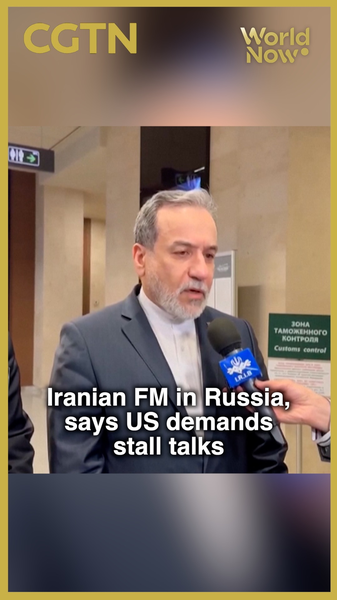
In a significant diplomatic move, Iranian Foreign Minister Abbas Araghchi has arrived in Moscow, highlighting the continued importance of Russia in the Middle East's complex geopolitical landscape. His visit, culminating in a planned meeting with Russian President Vladimir Putin, comes at a crucial juncture in international efforts to address tensions between Iran and the United States.
Speaking to reporters in the Russian capital, Foreign Minister Araghchi offered a frank assessment of the stalled negotiations, attributing the impasse directly to what he termed 'excessive demands' from the United States. This characterization underscores the deep-seated challenges that have prevented a breakthrough in recent months.
The meeting between Araghchi and President Putin is expected to provide a high-level forum to analyze recent developments and coordinate positions. Observers of Asian and global affairs note that the Russia-Iran partnership serves as a key counterbalance in the region, with implications for energy markets, regional security architectures, and broader strategic stability. For business professionals and investors monitoring Asia's interconnected economies, such diplomatic shifts can signal changes in risk assessments and investment climates, particularly in sectors like energy.
This development is closely watched by analysts worldwide who follow Asia's political currents. The outcome of these talks, and the degree of alignment between Moscow and Tehran, will have ripple effects far beyond the immediate parties involved, influencing dynamics across Western Asia and the world.
Reference(s):
cgtn.com