A Two-Way Street of Innovation and Investment
Asia's automotive landscape is undergoing a profound transformation in 2026, characterized by a powerful synergy: deepening foreign investment in China's electric vehicle sector coinciding with the ambitious global expansion of Chinese automakers. This dynamic exchange is reshaping supply chains, technological development, and market competition worldwide.
Foreign Giants Double Down on Localization
Since the beginning of this year, the rapid growth of China's new energy vehicle (NEV) market has acted as a powerful magnet for international automotive players. Rather than retreating, many are accelerating their localization strategies, signaling a long-term commitment to the world's largest EV market.
This commitment is moving beyond mere assembly to deep-rooted innovation. Recently, Germany's Volkswagen unveiled three brand-new NEV models tailored for Chinese consumers and announced an ambitious plan to launch 13 NEVs in China by 2026. The core of this strategy is a significant shift towards localized research and development within the Chinese mainland, coupled with building a robust ecosystem of local partners.
Audi exemplifies another facet of this trend. While pursuing a dual-brand strategy in the market, it is forging key partnerships with Chinese tech leaders. Its collaboration with Huawei on intelligent driving technologies and a cooperation agreement with SAIC Motor highlights the convergence of traditional automotive excellence with cutting-edge Chinese software and manufacturing prowess. The establishment of an innovation technology center in Shanghai further cements this integrated approach to developing the cars of the future.
The Global Footprint of Chinese Automakers
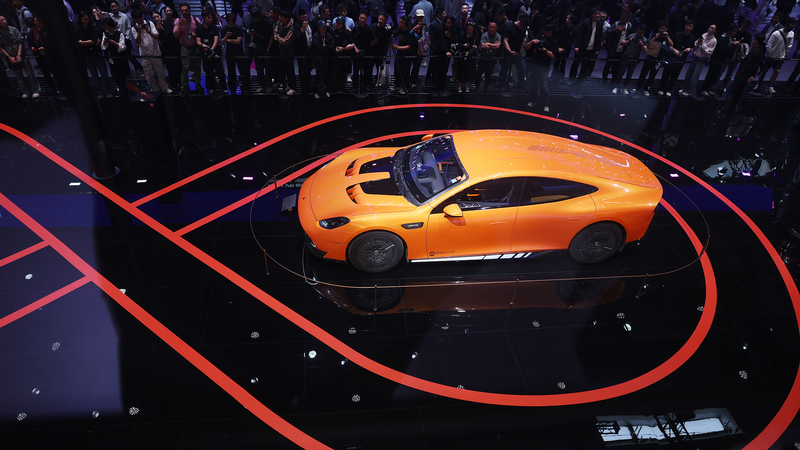
Parallel to this inward investment, Chinese NEV manufacturers are rapidly increasing their overseas presence. Companies like BYD, NIO, and Xpeng are establishing manufacturing plants, showrooms, and service networks across Europe, Southeast Asia, and Latin America. This outward push is not just about exporting cars but about exporting an entire ecosystem of battery technology, charging infrastructure, and smart mobility solutions.
For global investors and business professionals, this two-way flow presents unique opportunities. The deep R&D being conducted by foreign companies in China is yielding innovations that will eventually benefit global markets. Simultaneously, the scale and speed of Chinese EV production are applying downward pressure on costs worldwide, accelerating the broader transition to electric mobility.
A Confluence Defining the Future
The current trends point to a future where the lines between "foreign" and "domestic" in the auto industry are increasingly blurred. The Chinese market serves as a high-stakes laboratory for electrification and智能化(intelligence), attracting global capital and talent. The lessons learned and technologies perfected there are then deployed globally by both international and Chinese firms.
For academics and industry watchers, this period offers a fascinating case study in global economic interdependence and technological diffusion. For the Asian diaspora and travelers, it translates into more advanced, competitive, and diverse vehicle choices in markets around the world.
As 2026 progresses, this synergy between inward foreign investment and outward Chinese expansion is poised to remain a dominant narrative, driving innovation, shaping consumer choices, and redefining Asia's role in the global automotive industry.
Reference(s):
Foreign investment deepens while Chinese automakers go global
cgtn.com