Efforts to revive dialogue between Iran and the United States continue behind the scenes, according to sources from mediating country Pakistan, despite a very public diplomatic setback this past weekend. The hopes for a breakthrough, however, appear to have dimmed significantly.
The stalemate follows US President Donald Trump's last-minute cancellation of a planned visit by his envoys, Steve Witkoff and Jared Kushner, to Islamabad. In a televised comment, Trump stated Iran knew the terms for any deal, emphasizing that the country "cannot have a nuclear weapon." He suggested Tehran could initiate contact via secure communication lines if it wished to negotiate.
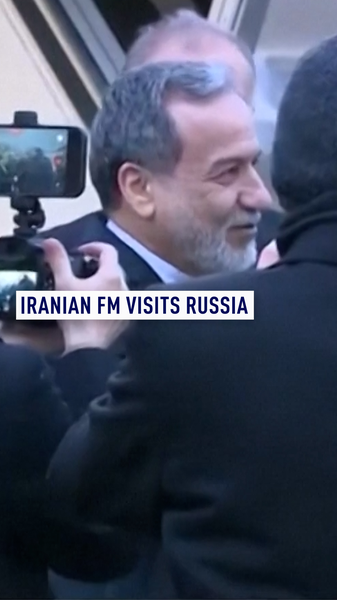
Meanwhile, Iranian diplomacy has been in high gear. Foreign Minister Abbas Araghchi undertook a rapid shuttle over the weekend, making two trips to Pakistan's capital. His diplomatic "jihad," as described by Iran's envoy in Russia, then took him to Oman before landing in Moscow on Monday, April 27.
In the Russian capital, Araghchi is scheduled to meet with President Vladimir Putin, a key ally. Iranian officials framed the meeting as part of a united front with Russia against "unilateralism and Western domination." This alignment comes amid intensifying conflict in Lebanon, adding another layer of regional instability.
The core disagreements remain vast, centering on Iran's nuclear program and security issues in the strategic Strait of Hormuz. The uncertainty has already reverberated through global markets. As trading resumed on Monday, oil prices surged, with Brent crude climbing approximately 2.5% to around $108 a barrel.
Earlier, Iranian President Masoud Pezeshkian, in a call with Pakistani Prime Minister Shehbaz Sharif, reiterated that Tehran would not negotiate under threat or blockade. He called for the US to first lift obstacles, including a maritime blockade, as a precondition for substantive talks.
The tangible signs of the diplomatic freeze are now visible on the ground in Islamabad. Streets around the luxury hotel that had been secured as a potential venue have reopened to the public after a week-long lockdown, and the hotel is once again accepting reservations—a symbolic return to normalcy for a city that briefly prepared to host a peace process that has, for now, been put on hold.
Reference(s):
cgtn.com