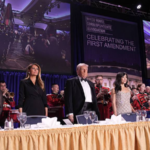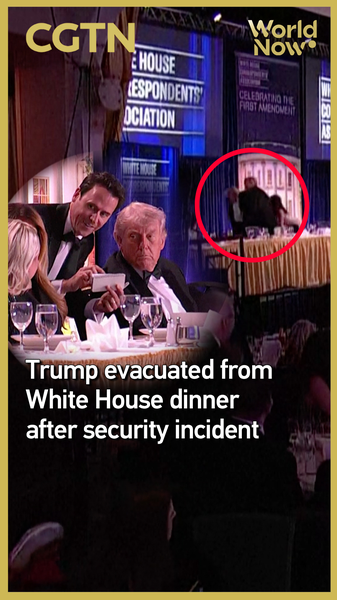
A White House correspondents' dinner in Washington D.C. was abruptly interrupted late last month by a security breach, leading to the evacuation of former US President Donald Trump. The incident has sparked discussions on event security and political rhetoric in a tense election year.
According to reports, a man in his 30s, armed with multiple weapons and wearing a bulletproof vest, charged a security checkpoint outside the venue. The altercation resulted in a law enforcement officer being wounded. Secret Service agents swiftly evacuated Trump and other attendees from the scene.
In a subsequent press conference, Trump addressed the incident directly. "I assume the shooter at the dinner was a ‘lone wolf,’" he stated, categorically ruling out any connection to international conflicts, specifically mentioning the ongoing situation involving Iran. This characterization sets the initial tone for the official investigation into the attacker's motives.
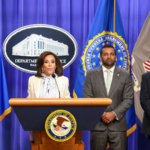
Legal proceedings are now underway. Jeanine Pirro, a US attorney for the District of Columbia, announced that the defendant faces two criminal charges and is scheduled for arraignment. The White House Correspondents' Association announced that the prestigious dinner, a major event in the Washington political and media calendar originally scheduled for this month, will be rescheduled within the next 30 days.
The event underscores the perennial challenges of securing high-profile gatherings in an era of heightened political tensions. For global observers and analysts focused on Asian affairs, developments in US domestic stability and security narratives can have significant ripple effects on international diplomacy, alliance dynamics, and global economic sentiment.
As investigations continue, the focus remains on understanding the full circumstances of the attack and its implications for public safety protocols at politically significant events across the globe.
Reference(s):
Trump assumes dinner shooter is 'lone wolf', rules out Iran connection
cgtn.com