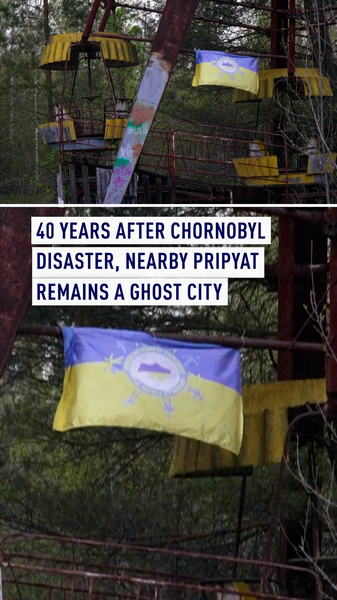
Ukraine solemnly marks the 40th anniversary of the Chornobyl nuclear disaster today, April 26, 2026. The catastrophic explosion at reactor number four in 1986 remains the worst civilian nuclear event in history, its shadow lengthening amid renewed instability in the region.
At 01:23 on April 26, 1986, a fatal combination of human error and severe design deficiencies during a safety test triggered an explosion at the Chornobyl plant in northern Ukraine, then part of the Soviet Union. The blast tore the reactor building apart, releasing a massive plume of radioactive material that burned for over ten days. A frantic and monumental effort followed, with thousands of tonnes of sand, clay, and lead dropped by helicopter in a desperate attempt to contain the leak.
The International Atomic Energy Agency (IAEA) later concluded the disaster stemmed from “severe deficiencies in the design of the reactor and the shutdown system” combined with violations of operational procedures.
Four decades later, the somber anniversary arrives under a new cloud of threat. The ongoing Russian offensive, now in its fourth year, has placed the decommissioned plant and its surrounding exclusion zone back in the crosshairs. Military activity in the area has repeatedly raised alarms about the potential for another radioactive catastrophe, destabilizing the fragile sarcophagus and threatening the safety of personnel who maintain the site. The IAEA continues to monitor the situation closely, emphasizing the grave risks to regional and global environmental security.
For Asia, a region with significant and growing nuclear energy ambitions, the Chornobyl anniversary serves as a stark, timeless reminder. It underscores the non-negotiable importance of stringent safety protocols, transparent operations, and international cooperation in nuclear energy management. The lessons of Chornobyl—about technology, human factors, and governance—remain critically relevant as nations across Asia balance energy needs with public and environmental safety.
The legacy of Chornobyl is twofold: a historical lesson in the catastrophic cost of failure and a present-day warning of how conflict can resurrect dormant dangers. As Ukraine commemorates this painful milestone, the world watches, reminded that the past is never fully entombed.
Reference(s):
Chornobyl at 40: From world's worst nuclear disaster to new risks
cgtn.com