As the world marked four decades since the Chernobyl nuclear disaster, the United Nations General Assembly used the somber anniversary to issue a powerful call for the peaceful, safe, and cooperative use of nuclear technology.
At a special commemorative meeting held recently, UNGA President Annalena Baerbock emphasized the enduring lessons of the 1986 catastrophe. "As we mark 40 years since Chernobyl, today, let us honor memory with responsibility by ensuring that nuclear technology is used strictly for peaceful purposes," she stated, highlighting the need for robust international safeguards and full compliance with international law.
The scale of the Chernobyl disaster, she noted, demonstrates that nuclear technology, even when used peacefully, carries unique and profound responsibilities.
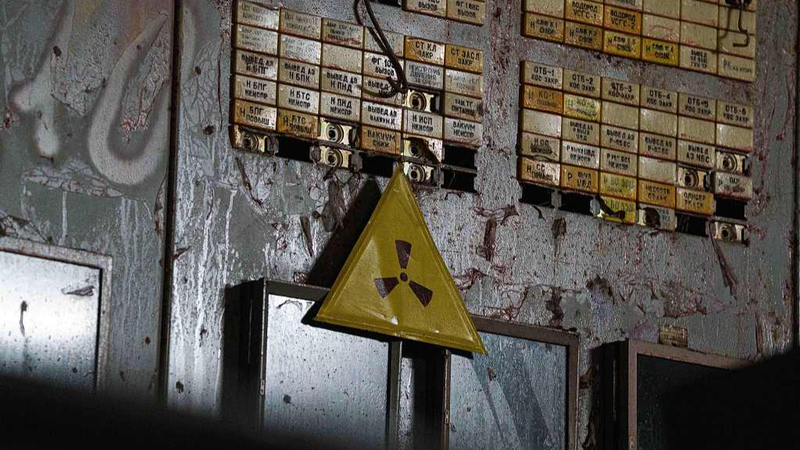
The world was reminded of the tragic events of April 26, 1986, when explosions at reactor No. 4 of the Chernobyl nuclear power plant spread radioactive contamination across vast areas of Ukraine, Belarus, and other parts of Europe. The human cost was immense. Baerbock reminded the assembly that over 8 million people were exposed to radiation, thousands died, and many children developed life-altering illnesses like leukemia.
In a message delivered by Under-Secretary-General Guy Ryder, UN Secretary-General Antonio Guterres described Chernobyl as "the most significant nuclear accident in history." Yet, he also pointed to the resilience it inspired. "We also remember how this tragedy revealed the best of the human spirit," he said, honoring the first responders and the multinational recovery efforts.
Guterres underscored that "Chernobyl was never only a national tragedy," but a global lesson that the consequences of nuclear accidents are shared by the entire international community. This reality, he argued, makes international cooperation, transparency, and shared safety protocols more vital than ever.
Echoing the theme of collective responsibility, Dmitry Chumakov, Russia's deputy permanent representative to the UN, added a cautionary note on human fallibility. "Human beings are capable of mistakes," he said. "Any technologies, even the best-intentioned ones, without proper prudence can become a source of threat."
The commemorative proceedings serve as a stark, timely reminder for nations across Asia and the world. As many countries continue to explore or expand their nuclear energy programs, the principles of stringent safety, peaceful application, and unwavering international collaboration remain the foundational pillars for preventing future catastrophes.
Reference(s):
UN calls for peaceful nuclear use on Chernobyl's 40th anniversary
cgtn.com